

Mining companies and dividends don’t usually go together in most investors’ minds. The mining sector’s reputation for being capital-intensive and riding volatile commodity cycles has overshadowed something important: the best miners can be dividend machines when the stars align.
The resources sector makes up nearly one-third of the listed companies on the ASX, yet only a small group has shown they can consistently generate reliable cash flow and distribute those profits to shareholders as dividends.
The big players with mature operations – BHP, FMG, Rio Tinto – have built sustainable dividend-paying businesses around world-class assets. The drop-off from these majors to everyone else is steep, but when market conditions align, mid-tier ASX mining stocks can sometimes deliver higher percentage yields than their giant rivals.
That’s where the opportunity lies.

Dividend-paying companies won’t deliver the life-changing returns that small-cap stocks can, but they offer something else: dependable, tax-efficient income alongside exposure to global commodities.
With high inflation and growing caution among investors, many are looking for ways to get more bang for their buck than standard bank interest. The ASX offers a unique opportunity to tap into commodity upside and, when the timing is right, benefit from strong dividend flows off the back of elevated prices.
This guide breaks down what sets dividend-paying miners apart, where they sit in the market today and how to identify the best mining stocks ASX investors are watching. We’ve also pulled together a detailed breakdown of the top 10 Australian mining stocks paying dividends in 2025.
What are Mining Dividend Stocks?
When a company earns a profit and shares part of this profit with its shareholders, this is known as a dividend. Even though the premise is quite simple, the mining sector is a big exception to the rule.
The majority of ASX-listed mining companies are junior small-cap explorers who are looking to make a discovery. These companies live year to year, raising money and searching for what they hope will be the next big discovery. In this segment of the market, there are no profits, and dividends are not a consideration.
The dividend payers are the big players – established producers selling product to market with healthy margins. These companies have balance sheets strong enough to weather commodity price swings and still return cash to shareholders.
Not every producer pays dividends, though. A mining company needs to be both profitable and confident about future cash flows before they’ll commit to regular payouts. Companies that have just turned profitable usually hoard cash as a buffer against volatile commodity cycles.
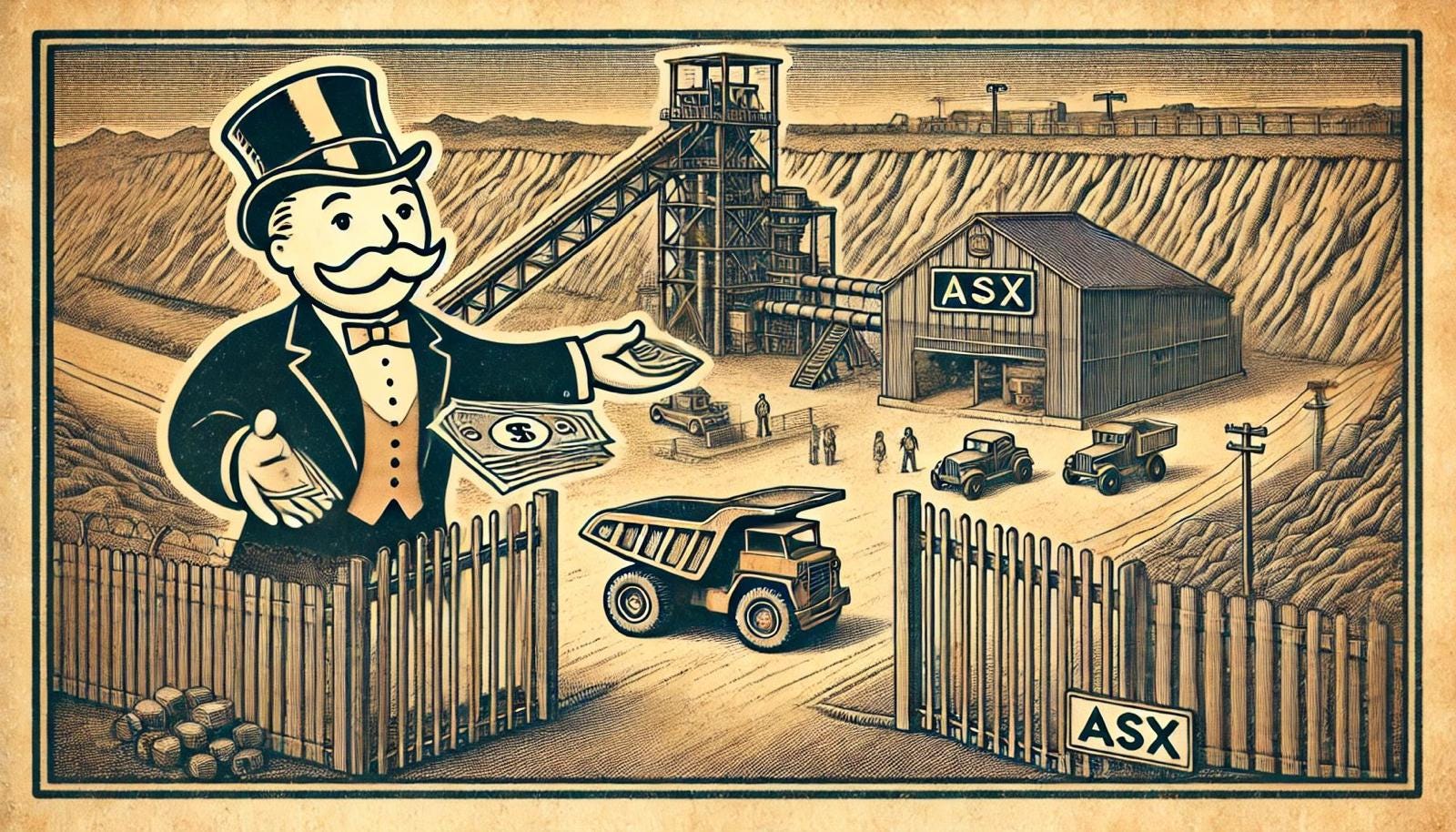
Most of the reliable dividend payers operate primarily in Australia. The regulatory environment is stable, the tax framework is clear and there’s minimal sovereign risk.
These miners typically produce bulk commodities – iron ore and coal – that can be extracted cheaply in Australia and sold profitably overseas. They ship at scale, often have long-term contracts in place, and generate fat margins when global demand is strong.
Gold and base metals companies (copper, nickel) also pay dividends when times are good, but usually only after they’ve reached significant scale and management feels confident about sustained production.
For investors, these companies won’t deliver the explosive gains of small-cap junior explorers, but they offer something different: predictability with regular income. In choppy markets or during economic uncertainty, that dividend stream becomes particularly valuable.
What’s Happening in the Australian Mining Industry
Australia’s mining industry has survived every boom and bust cycle thrown at it and continues to stay a world leader. The demand for commodities continues to increase globally, and markets such as iron ore, coal, copper and gold have all been recent beneficiaries.
Australia’s competitive edge comes down to three things:
- Massive, high-quality resource deposits
- An experienced workforce that knows how to extract them efficiently
- Political stability that other mining jurisdictions can’t match.
This combination allows Australian mining companies to lock in long-term supply contracts that provide predictable cash flows.
With some mining companies making profits well into the billions recently, many have taken note, increasing their dividend payouts to shareholders and also reducing debt. The leaner, more disciplined operations continue to attract further investment.
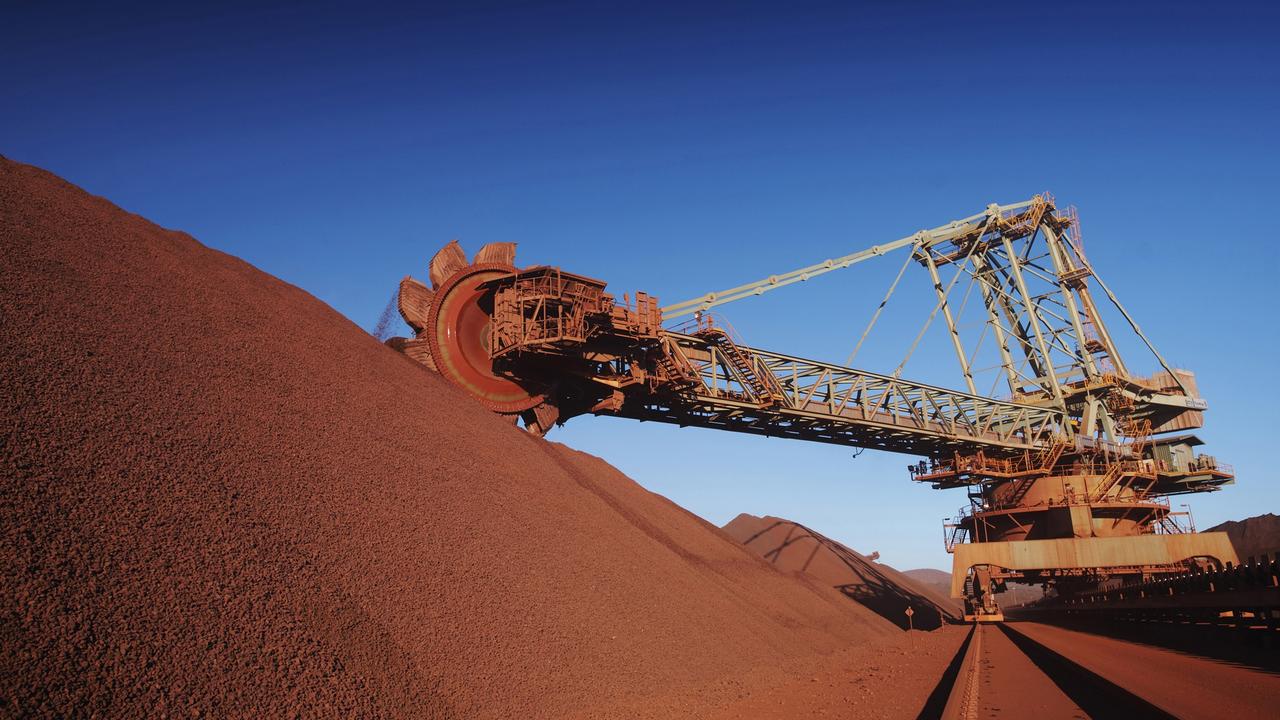
The two biggest dividend drivers are iron ore and coal – Australia’s bulk commodity champions. These commodities experience less price volatility than battery metals, making it easier for companies to commit to regular dividend payments. Strong, predictable cash flows equal reliable dividends.
Gold has been another standout performer, running hard since late 2023. Australian gold producers have benefited twice over – from higher gold prices and a weaker Australian dollar. Since gold trades in US dollars, the currency translation has boosted profit margins significantly.
In the battery metal market, lithium, copper, and nickel remain cyclical and are among the hardest to time well. Dividends in this segment come and go depending on how the price of the commodity is tracking. As the world moves towards the electrification and energy transition, these commodities are likely to see renewed investor interest, which could filter through if companies are able to operate efficiently.
The ASX mining sector breaks into four distinct categories: the majors, the miners, the developers, and the explorers. If you’re hunting for dividends, you can forget about the last two. Even among the majors and established miners, success requires research, commodity price awareness, and backing disciplined management teams.
The ASX’s Top Dividend-Paying Miners: A Closer Look
We’ve done the hard work for you and have a list of the 10 highest dividend-paying mining stocks on the ASX for the 2024/25 financial year.
Each managed to capitalise on favourable commodity prices while maintaining the financial discipline needed to reward shareholders.
| Company | ASX Code | Commodity Focus | 2024/25 Dividend | Notes |
|---|---|---|---|---|
| Rio Tinto | RIO | Iron Ore | $6.33 | Global heavyweight with mature iron ore operations |
| BHP Group | BHP | Iron Ore, Copper, Coal | $1.90 | World’s largest miner with a diversified portfolio |
| Fortescue Metals Group | FMG | Iron Ore | $1.39 | Pure-play iron ore exporter with strong margins |
| Yancoal Australia | YAL | Thermal & Metallurgical Coal | 52c | High-margin coal producer riding export demand |
| Northern Star Resources | NST | Gold | 50c | The ASX’s largest gold producer |
| New Hope Corporation | NHC | Coal | 41c | Regular payer with solid thermal coal earnings |
| IGO Ltd | IGO | Nickel, Lithium | 26c | This may be the last dividend for some time for this battery metals company |
| Deterra Royalties | DRR | Royalties (Iron Ore) | 23.4c | Royalty stream from BHP’s Mining Area C |
| Whitehaven Coal | WHC | Coal | 22c | Strong recent dividends from export coal operations |
| Evolution Mining | EVO | Gold | 12c | Gained from gold surge and AUD tailwinds |
The usual suspects dominate the list – iron ore giants (BHP, RIO, FMG) and coal producers (YAL, NHC) continue to lead the pack. But this year’s list shows some interesting developments: two gold companies (NST, EVO) have climbed the rankings thanks to the strong gold price run.
Even now-struggling battery metals producer Independence Group (IGO) managed to squeeze into the top ten while mining royalty company Deterra Royalties (DRR) rounds out the list.
Keep in mind this table reflects historical performance from the 2024/25 financial year. Past dividends don’t guarantee future payouts – commodity cycles, operational issues, management decisions and more can all impact future distributions.
How to Choose ASX Dividend Mining Stocks
Finding the right dividend-paying mining stocks ASX investors can rely on takes some time.
Some investors only care about yield, which is simple. A stock trading at $10 that pays $1 equals a 10% return. Pretty straightforward (though it can be misleading if that high yield is masking a falling share price).
Others prioritise reliability, which is what the major miners typically offer. The percentage return might be lower, but these dividends tend to be more consistent and less volatile.
Many investors dig into dividend history before putting money down. Was that last payment a one-off windfall from a commodity spike or part of an ongoing pattern? Companies with low-cost, long-life assets that pump out consistent free cash flow can keep paying dividends even when commodity prices get choppy.
Balance sheet strength determines whether dividends survive tough periods. Companies loaded with debt usually focus on paying that down rather than handing profits to shareholders. Companies with clean balance sheets have more room to move.

Special dividends can be tempting during boom periods. These one-off payments during commodity runs can be substantial, but once they’re paid out, many shareholders take the money and run. That creates volatility for anyone sticking around as holders.
Regular dividend payers typically mine bulk commodities like iron ore and coal. These operations scale well, lock in long-term contracts with established buyers, and generate predictable cash flows that support steady payments.
Company management makes or breaks dividend sustainability. Experienced teams with financial discipline tend to balance company growth with shareholder returns. Poor management can destroy both profits and investor confidence through bad decisions.
Your approach depends on how much risk you are comfortable taking. Chasing special dividends can pay off beautifully if you time the exit right. Sticking with the major miners for steady 4-6% yields is less thrilling, but it’s been working for retirees and income funds for decades.
Are Mining Stocks the Right Investment for You?
Mining dividend stocks aren’t for everyone, and that’s perfectly fine. Like most things in investing, it comes down to whether you can stomach the ups and downs of a sector that swings with global commodity cycles.
Dividend-paying mining stocks can offer a steady income stream with a good chance of capital growth. The major miners in iron ore, coal and gold can deliver consistent dividends even when other parts of the market may be stagnant.
The price of commodities is cyclical and always outside of a company’s control; with that, earnings can vary greatly from year to year. The diversification of the major miners across a breadth of commodities means they are less likely to be hit if one commodity falls. The opposite applies to single commodity producers, who essentially have all their eggs in one basket.
Mining stocks can make up a portion of a well-balanced portfolio, and the exposure to dividend-paying mining stocks can assist if other areas of your portfolio are struggling.

Special dividend chasers are those who look for commodities that are booming, invest in those companies, and wait for a dividend. This is a much riskier approach than investing in the major miners, but it can provide an upside as the broader market may not have caught on.
This is opportunistic and requires a much higher level of tracking the market and commodity prices to ensure exposure to commodities whose prices are falling is limited.
Special dividend hunters are investors who target companies riding commodity booms and wait for those massive one-off payments. Much riskier than backing the majors, but the upside can be spectacular if you catch a company before the broader market cottons on.
This approach requires serious market tracking and the discipline to get out before commodity prices turn south.
Beyond Iron Ore: Emerging Dividend Players
Everyone thinks iron ore when dividend-paying miners come up in conversation. Fair enough – the big operations run fat margins and pay reliable dividends. But you’d be missing some serious opportunities if you stop there.
Coal might be a dirty word for many, but coal companies have been cash machines over the past few years. Asian demand has stayed strong despite all the political noise about phasing it out. Australian coal producers keep selling at healthy margins to overseas buyers who need it to keep their economies running.
Companies like Whitehaven and Yancoal have delivered some of the biggest special and regular dividends the ASX has seen in recent years. Not bad for an industry that’s supposedly dying.
Gold has been equally kind to shareholders. The metal’s been running hot thanks to global economic uncertainty and geopolitical tensions. Australian gold miners are sitting pretty – higher gold prices in US dollars, weaker Aussie dollar for the currency conversion. That’s a perfect storm for bigger profits and the dividends that follow.
Battery metals such as lithium, copper and nickel are all worth keeping an eye on. The most notable thing when investing in these companies is watching the underlying price of the commodity. All three have seen wild swings up and down recently, creating a turbulent environment for investors.
The key with any of these plays is watching the underlying commodity price like a hawk. Iron ore might be the reliable dividend payer in your portfolio, but these other opportunities can deliver serious returns if you catch the cycles right. Just don’t bet the farm without understanding what drives the commodity you’re backing.
Looking Ahead: Dividend Sustainability
The most important thing an investor who wants to receive a dividend from mining stocks can do is look forward. A company may have paid dividends for years, but if the price of the commodity has fallen drastically, the likelihood of the dividend continuing is slim.
We’ve seen this recently with the price of lithium and nickel falling sharply. With this fall, we have seen companies that are exposed to these two commodities remove their dividends.
The cyclical nature of commodity prices means that the peaks and troughs can wipe out an investor who is investing without understanding the fundamentals.

Major diversified miners weather these storms better. BHP doesn’t live or die on iron ore alone – they’ve got copper, coal, petroleum, and other commodities smoothing out the bumps. When one commodity tanks, another might be flying. Single-commodity producers don’t have that luxury.
Profitability doesn’t automatically mean dividends, either. Management priorities matter enormously. Some CEOs focus on returning cash to shareholders. Others are empire builders who’d rather spend every dollar on acquisitions or expansion projects. The difference shows up in your dividend payments.
The smart money always asks: what’s driving this company’s commodity, where are prices heading, and does management actually care about shareholders? Get those answers wrong, and your “dividend stock” becomes a lesson in why they call mining cyclical.
Building a Balanced Portfolio
A balanced ASX portfolio might not get the blood pumping, but it’s what keeps you in the game when markets get messy.
When we talk balanced portfolios, we don’t mean owning every mining stock from iron ore to rare earths. We mean spreading across sectors – banks, property, pharmaceuticals, technology. Mining dividends are great when commodity cycles are working in your favour, but they’re not the only game in town.
If you’re determined to load up on mining exposure, at least spread it around. Don’t put everything into ASX coal miners just because they’re paying fat dividends today. Mix in some gold, iron ore, maybe a diversified major or two. When one commodity tanks (and they all do eventually), you want something else still paying the bills.
This approach means staying on top of multiple commodity markets. Copper demand from China, gold’s reaction to interest rates, iron ore’s relationship with steel production – it all matters. Miss the signals, and your dividend income disappears along with your capital gains.
Re-balancing your portfolio is also an important step that many fail to recognise. If you see the price of a commodity falling heavily, impacting the share price and potential for a dividend, it may be time to cut this stock from your portfolio and look elsewhere.
Diversification takes effort – tracking multiple sectors, staying alert to opportunities as they emerge. Many investors find it too much work and stick to index funds or blue chips. Fair enough, but that’s exactly why opportunities exist for those willing to do the research.
Diversification is bloody hard work, honestly. You’re constantly tracking different sectors, keeping your ear to the ground for opportunities that pop up (and they always seem to surface when you’re not looking). A lot of investors can’t be bothered with all that hassle. They’ll park their money in an index fund or grab some CBA shares and call it a day, which can be the smart move.
However, that also creates real opportunities for the rest of us. When others are taking the easy route is when the interesting plays show up for those willing to roll up their sleeves and dig into the numbers and research.
Summary
Dividend-paying mining stocks remain one of the most overlooked opportunities in Australian portfolios. They won’t deliver the explosive gains of small-cap explorers, but they offer something equally valuable – reliable income with a degree of inflation protection.
Start your research with the big miners. Dig through their balance sheets, see how much cash they’re holding and what their debt looks like. These companies have weathered plenty of ASX commodity cycles before, and for good reason.
Then, work your way through the profitable mid-tier companies. Ask the critical questions: was that big profit a one-off from an asset sale or commodity spike? Or are you looking at a genuinely well-run operation with experienced management who know how to navigate cycles?
Three things separate successful mining dividend investors from everyone else:
- Thorough research
- Smart diversification
- Constant market awareness.
There’s no shortcut to understanding commodity cycles, no substitute for tracking balance sheets, and no replacement for staying alert to changing market conditions.
Get those fundamentals right, and mining dividend stocks can become a cornerstone of a well-balanced, income-generating portfolio. Ignore them, and you’ll learn why commodity investing can humble even the smartest of investors.
General advice warning
The contents of this document are intended to provide general securities advice only and have been prepared without taking account of your objectives, financial situation or needs. Because of that you should, before taking any action to acquire or deal in, or follow a recommendation (if any) in respect of any of the financial products or information mentioned in this document, consulting your own investment advisor to consider whether that is appropriate having regard to your own objectives, financial situation and needs. If applicable, you should obtain the Product Disclosure Statement relating to the relevant financial product mentioned in this document (which contains full details of the terms and conditions of the relevant financial product) and consider it before making any decision about whether to acquire the financial product. Whilst the Equities Club Pty Ltd (“Equities Club”) believes information contained in this document is based on information which is believed to be reliable, its accuracy and completeness are not guaranteed and no warranty of accuracy or reliability is given or implied and no responsibility for any loss or damage arising in any way for any representation, act or omission is accepted by Equities Club or any officer, agent or employee of Equities Club or any related company.
Neither Equities Club, nor any of its directors, authorised representatives, employees, or agents, makes any representation or warranty as to the reliability, accuracy, or completeness, of this document or any advice. Nor do they accept any liability or responsibility arising in any way (including negligence) for errors in, or omissions from, this document or advice.
Disclosure
The directors, authorised representatives, employees and associated persons of Equities Club may have an interest in the financial products discussed in this document and they may earn brokerage, commissions, fees and advantages, pecuniary or otherwise, in connection with the making of a recommendation or dealing by a client in such financial products.
Confidentiality notice
The information contained in and accompanying this communication is strictly confidential and intended solely for the use of the intended recipient/s. The copyright in this communication belongs to Equities Club. If you are not the intended recipient of this communication please delete and destroy all copies immediately.