
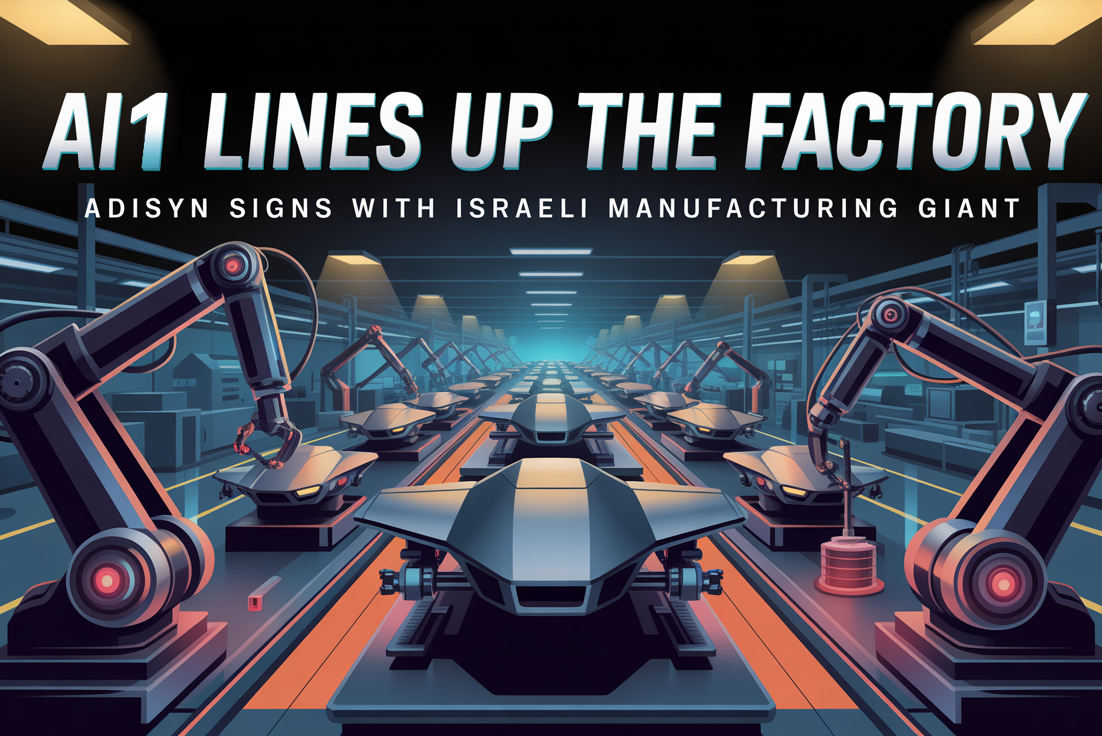
Adisyn (ASX: AI1) has signed a strategic agreement with one of Israel’s largest plastics manufacturers to take its graphene-based stealth drone material straight onto serial production lines.
The partner is Raval A.C.S. Ltd, parent of Arkal Automotive.
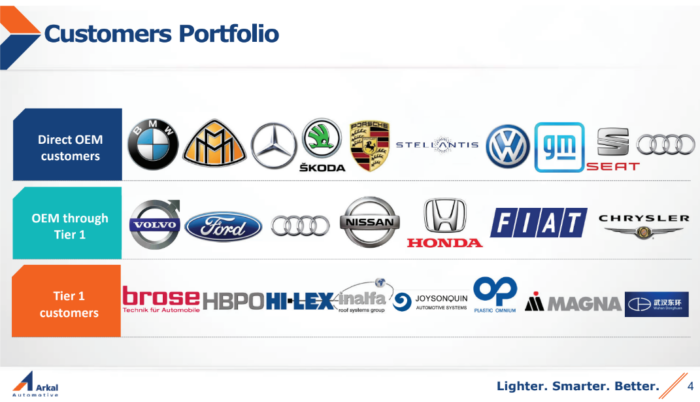
Raval makes parts for all the cars you’d recognise. BMW, Mercedes, Porsche, Volkswagen, GM and Audi all buy directly from them.
The big global parts companies that supply those carmakers, names like Magna, Brose and Plastic Omnium, also sit on Raval’s customer list.
Today they signed up to manufacture AI1’s stealth drone parts.
In short, AI1 brings the graphene material that hides drones from radar, and Raval moulds it into the actual drone parts at production scale.
The agreement runs for 18 months as a joint development program, with a clear pathway to a 50/50 manufacturing joint venture if the technical and commercial milestones land.
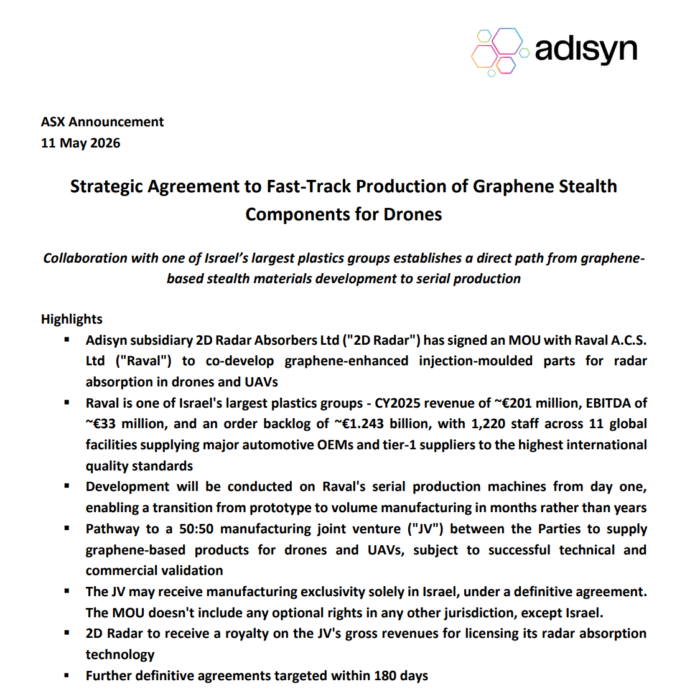
Raval’s €1.2 Billion Order Book
Raval’s scale is the part most retail readers will skim past in the announcement.
Their numbers from last year:
- ~€201 million in revenue.
- ~€33 million in EBITDA.
- A €1.243 billion order book of work already signed up by their customers.
- 1,220 staff across 11 facilities globally.
Raval is a serious global manufacturer choosing to put its production lines and engineering depth behind AI1’s drone tech.
A manufacturer of that scale signing up to a partnership like this is a serious vote of confidence.
The Real Test for ASX Defence Tech
The companies that win in defence tech share one thing in common. They’ve got a path from the lab bench to the factory floor.
A company spends years developing a material in a university partnership. They get a lab result. Then comes the hard part.
They have to find a manufacturer who can take that lab result and turn it into thousands of identical parts, to the tolerances a defence customer demands.
Lab partners and production partners are usually two different organisations. Two different sets of equipment. Two different quality systems. Two different ways of working.
Bridging them takes years. Sometimes it never happens at all.
Raval is both partners in one.
Most lab-to-factory transitions involve months of redesign. The lab makes a part one way, the factory makes parts a different way, and engineers spend a long time bridging the two.
Raval skips that.
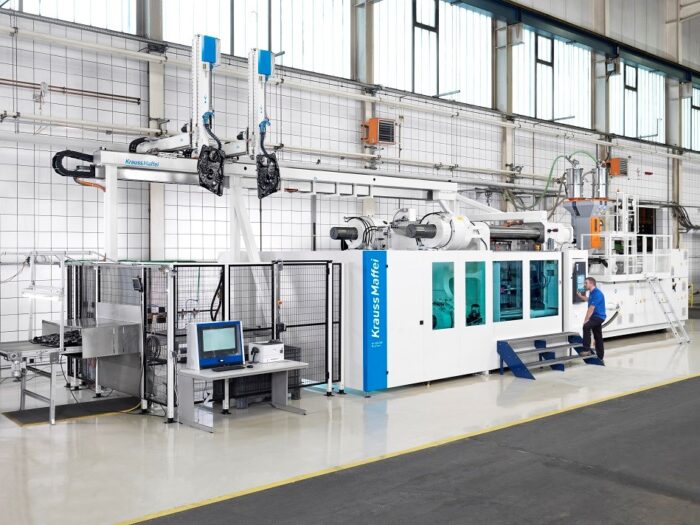
Development of AI1’s parts starts on the same machines that will eventually mass-produce them. The factory tooling, the materials database, the production process, all of it is being used from the very first prototype.
By the time the part works in testing, it’s already designed to be made at volume.
Defence customers needing drones in the field yesterday don’t have time for suppliers still figuring out how to mass-produce.
“Working with Raval from the outset on serial production machines means the parts we develop are, by design, ready for volume manufacture.”
— Adisyn Managing Director Arye Kohavi
Why Automotive Credentials Cross Over to Defence
Cars get made to standards most things on the planet don’t.
A bracket holding your seatbelt in place that fails in a 60kmh crash can kill people.
The certifications behind global automotive supply exist because the consequences of a part failing in the field are catastrophic, and the volumes are too big to inspect every unit.
Defence procurement officers know this.
The auto industry’s quality bar is higher than what most defence contracts require. A supplier already approved to make parts for BMW and Mercedes is, by definition, capable of making parts for the Israeli Ministry of Defense.
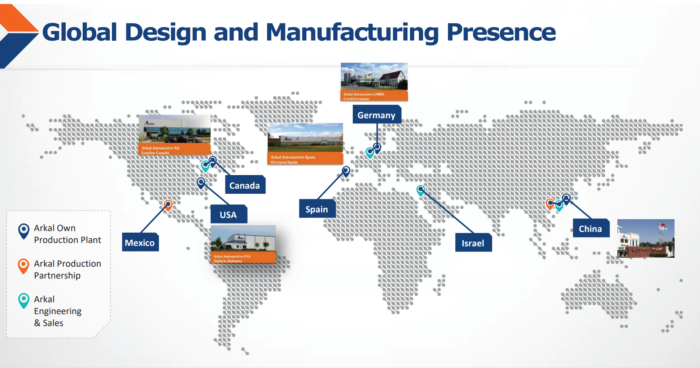
Raval has the full stack of automotive quality and security accreditations across all of its global facilities.
Raval also runs its own accredited testing lab at Arkal’s plant in northern Israel. Defence customers can trust the test data that comes out of it without having to retest the parts themselves.
For AI1, plugging into Raval means walking into a defence procurement meeting with a manufacturing partner whose audit history is already a known quantity.
This Is Already Happening in Germany
The AI1/Raval deal sits inside a much bigger global shift.
Last week, Israeli defence company Rafael, one of the main partners in Iron Dome, Arrow and David’s Sling, signed a letter of intent to acquire a Volkswagen plant in Germany.
The plant, which employs 2,300 people, is being repurposed to manufacture parts for Iron Dome interceptor missiles. The deal is backed by the German government.
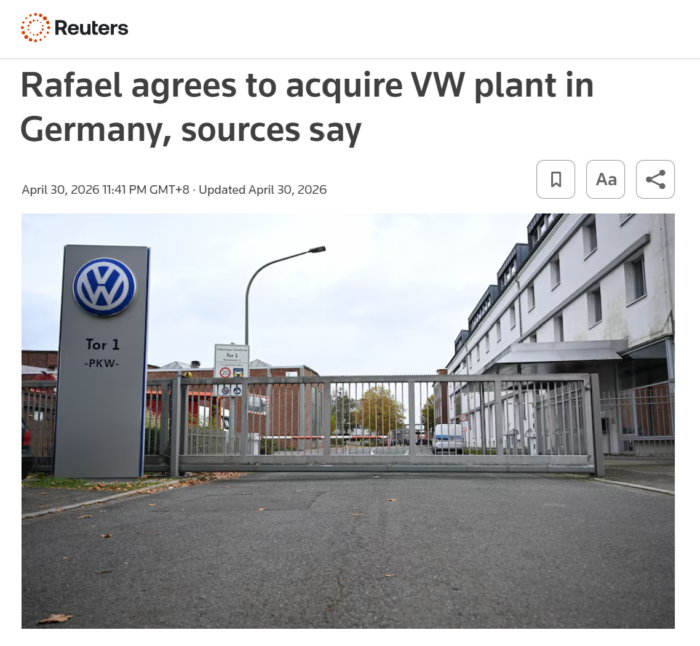
Rafael going into a VW plant in Germany. AI1 going into Raval’s production lines in Israel.
It’s the same shift, with a different scale. Israeli defence technology is moving directly onto automotive manufacturing capacity, because automotive plants have the precision tooling, the trained workforce and the quality systems that defence procurement officers need.
Where Adisyn (ASX: AI1) Sits Today
A quick recap for anyone catching up.
We told readers we’d added Adisyn to the Equities Club portfolio just over three weeks ago when it was at 6.8 cents. This morning it sits at 30c.
AI1 is a graphene technology company pointed at two enormous markets.
The first is chipmaking, where its low-temperature graphene process cleared a decade-old semiconductor roadblock the day we wrote about the company.
The second is drones, where the same graphene platform is being developed into a coating that effectively hides drones from radar.
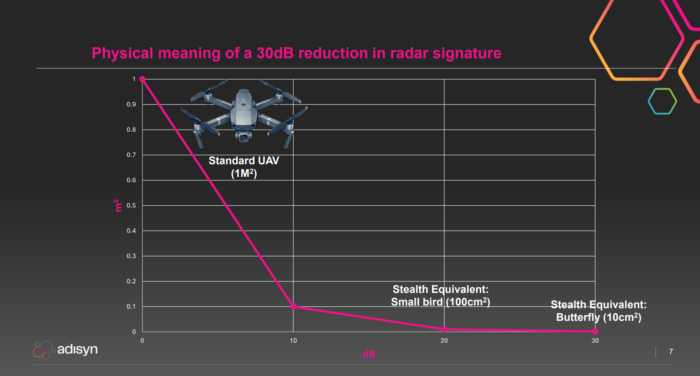
On the drone side, the tech has already cut radar return from drones by 100 times in lab testing. A drone that used to read on radar like an F-35 fighter jet now reads like a bird. AI1’s 12-month research program is targeting 1,000 times, where the drone shows up looking more like an insect.
Inside the four trading days that followed the addition, AI1 cleared the chip industry milestone, signed the exclusive worldwide stealth drone licence with Tel Aviv University, and filled a $14 million placement cornerstoned by Meitav (Israel’s largest investment house, A$190 billion under management) and Regal Funds Management (A$20 billion under management).
Last week, retired Israeli Colonel Tamir Zimber, operational commander of Iron Dome, Arrow, David’s Sling and Patriot, was appointed as the first member of the advisory board for the drone subsidiary.
A couple of days later, AI1’s core graphene patent got the green light from the US Patent Office, giving the company a US legal wall around the technology.
Today, the manufacturing partnership.
That’s a meaningful month for a company sitting at a $57 million market cap less than four weeks ago.
Inside the AI1 Raval MOU
The agreement is built in two stages.
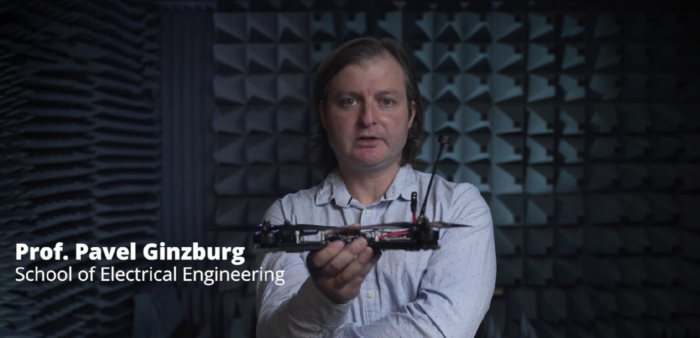
Stage one is an 18-month joint development program. Each company funds its own work. Raval handles the plastics, the moulds and the mechanical testing using its automotive-grade tooling and materials database. AI1 leads the graphene side and the radar testing alongside Tel Aviv University.
Two milestones sit inside that 18 months.
At the 12-month mark, the parties need to show real technical progress. The announcement defines that as successful radar absorption testing against agreed targets, completion of the agreed workplan, or a customer asking for a prototype.
At the 18-month mark, they need to formally declare the collaboration commercially viable.
The hard contracts that lock the JV in are targeted for the 180-day mark from today.
Stage two is the joint venture itself. If the milestones land, AI1 and Raval form a 50/50 company to manufacture and supply graphene-enhanced parts into the drone and UAV market.
AI1’s drone subsidiary, 2D Radar Absorbers, licenses the technology into the JV in exchange for a cut of the JV’s gross revenues. Tel Aviv University’s tech transfer arm Ramot owns 19% of that subsidiary. AI1 owns the rest.
The JV has manufacturing exclusivity inside Israel only. Every other jurisdiction stays open for AI1 to commercialise separately.
That’s a good outcome. Israel is Raval’s home market, so giving them local exclusivity makes sense.
Outside Israel, AI1 keeps the door open for separate manufacturing deals in the US, Europe, Australia and anywhere else the technology gets pulled into.
Israeli Government Grant Funding Pathway
Inside the announcement is a path to funding that doesn’t cost AI1 any equity.
Each party covers its own costs through the development phase. AI1 also has the option to apply for grants from MAFAT, the R&D arm of the Israeli Ministry of Defense, or the Israeli Innovation Authority.
If approved, that money can flow into Raval’s development costs as well.
For an ASX small-cap, government grant funding is the cleanest capital available.
A grant approval at any point in the next 12 months would be its own news event.
Three AI1 Catalysts Over the Next 12 Months
Three things over the next 12 to 18 months on the manufacturing side:
- Hard contracts inside 180 days. The MOU is a binding intent to collaborate. The full JV paperwork comes next. Watch the timing.
- Israeli government grant funding. Capital flowing in that doesn’t cost AI1 shareholders any equity would be a real positive.
- First customer prototype request. The agreement explicitly names this as a benchmark for technical progress at the 12-month mark. A customer asking for a prototype is the moment the technology stops being a science project and starts being a product.
The previous AI1 milestones have built scientific credibility, legal protection and access to the Israeli defence customer base.
This one builds the factory.
General advice, disclosure and confidentiality
General advice warning
The contents of this document are intended to provide general securities advice only and have been prepared without taking account of your objectives, financial situation or needs. Because of that you should, before taking any action to acquire or deal in, or follow a recommendation (if any) in respect of any of the financial products or information mentioned in this document, consulting your own investment advisor to consider whether that is appropriate having regard to your own objectives, financial situation and needs. If applicable, you should obtain the Product Disclosure Statement relating to the relevant financial product mentioned in this document (which contains full details of the terms and conditions of the relevant financial product) and consider it before making any decision about whether to acquire the financial product. Whilst the Equities Club Pty Ltd (”Equities Club”) believes information contained in this document is based on information which is believed to be reliable, its accuracy and completeness are not guaranteed and no warranty of accuracy or reliability is given or implied and no responsibility for any loss or damage arising in any way for any representation, act or omission is accepted by Equities Club or any officer, agent or employee of Equities Club or any related company.
Neither Equities Club, nor any of its directors, authorised representatives, employees, or agents, makes any representation or warranty as to the reliability, accuracy, or completeness, of this document or any advice. Nor do they accept any liability or responsibility arising in any way (including negligence) for errors in, or omissions from, this document or advice.
Disclosure
The directors, authorised representatives, employees and associated persons of Equities Club may have an interest in the financial products discussed in this document and they may earn brokerage, commissions, fees and advantages, pecuniary or otherwise, in connection with the making of a recommendation or dealing by a client in such financial products. Equities Club owns 900,000 AI1 performance rights a. Equities Club has been engaged by AI1 at the time of writing.
Confidentiality notice
The information contained in and accompanying this communication is strictly confidential and intended solely for the use of the intended recipient/s. The copyright in this communication belongs to Equities Club. If you are not the intended recipient of this communication please delete and destroy all copies immediately.
Equities Club Ltd (CAR No. 001308139) is a corporate authorised representative of ShareX Pty Ltd, Australian Financial Services License (AFSL) No 519872.