Tech on the ASX is where a $20 million minnow can become a $200 million story on the back of one contract. It moves faster than commodities, and ideas matter more than dirt.
The market covers everything from profitable software businesses like WiseTech and Pro Medicus, to defence tech names like DroneShield (ASX: DRO) putting counter-drone systems into active conflict zones, to pre-revenue outfits with breakthrough IP and 18 months of cash. The small-cap end is where the action sits right now. AI, defence dual-use applications, semiconductors and advanced materials like graphene are pulling capital, with the better names backed by global IP and tier-one partners.
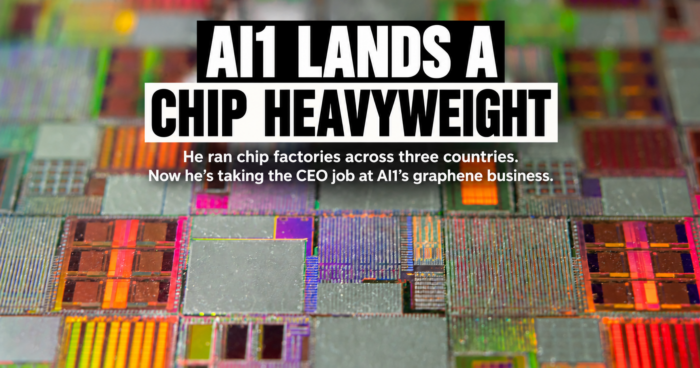
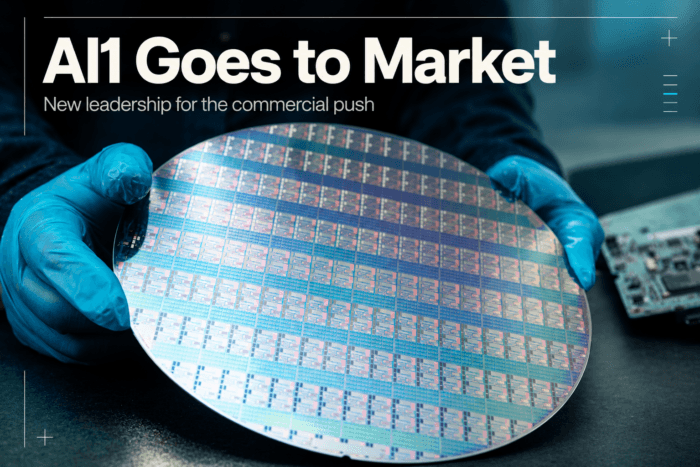
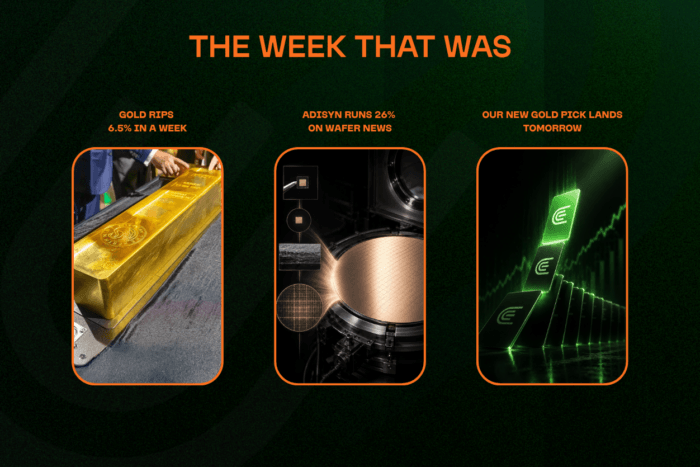
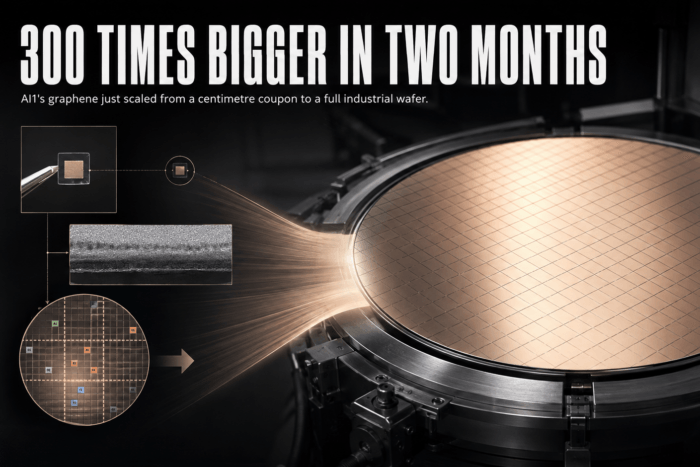
Adisyn (ASX: AI1) is a clean example of how this end of the market moves. Exclusive global graphene licence from Tel Aviv University, $14 million placement anchored by Israel’s largest investment house, an IDF Special Forces commander as CEO, and a product that puts radar-absorbing coating on stealth drones. Five years ago that combination wouldn’t have been listed in Sydney. It is now, and the market is rerating accordingly.
There’s more opportunity in ASX tech than there’s ever been. The work is picking the names that deliver.
The Latest Tech ASX News









Investing in Tech on the ASX
Why Tech Matters
Tech sits at the centre of the biggest economic shifts happening right now. AI is rebuilding how businesses operate, and that’s pulled enormous capital into chips, data centres, networking and the software stack that runs on top. Defence budgets are scaling fast at the same time, with semiconductors now treated as strategic infrastructure on par with energy and food.
Buying ASX tech stocks gives you exposure to companies building the hardware and software that other industries depend on. A mining company moves with the metal price. A tech company can multiply on a contract win, a product launch or a step change in adoption, without needing the broader market to cooperate.
Tech moves quickly in both directions. The same names that compound for years can also reprice in weeks when sentiment shifts or interest rates change, which is part of what makes the sector worth paying attention to.
Where the Tech Market Sits Now
Tech is in a different cycle to where it was three years ago. The AI wave that started with ChatGPT in late 2022 has matured into infrastructure spend, with hyperscalers pouring billions into data centres, training compute and inference capacity. That spend trickles down into semiconductors, networking, advanced materials and specialist software, which is where ASX names with the right IP come into play.
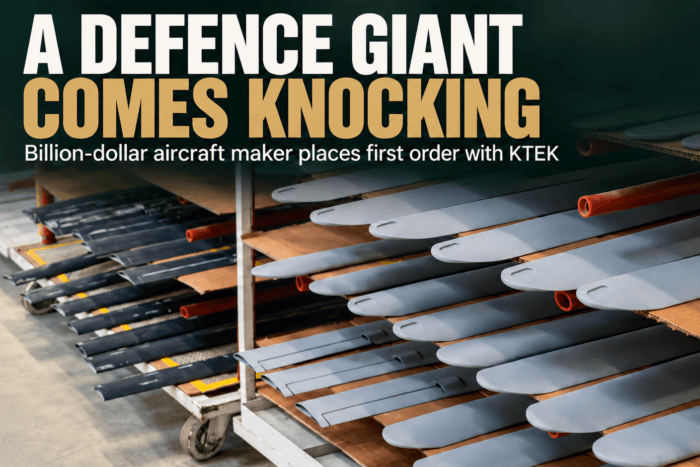
Defence is the other big driver. Drones, counter-drone systems, autonomous platforms and dual-use materials are getting funded at levels we haven’t seen since the Cold War. Australian companies with credible defence applications, particularly those with US or Israeli partnerships, are getting bid hard. DroneShield (ASX: DRO) and Adisyn (ASX: AI1) are two retail-familiar names sitting in this category, both with active commercial traction and global supply chain exposure.
Semiconductor sovereignty has become a national security issue. The CHIPS Act in the US, similar initiatives across Europe, Japan and Australia, mean local capability is being underwritten by government. ASX-listed companies with semiconductor IP or processing technology are riding that tailwind.
At the smaller end, valuations move fast. A microcap with a defence contract or AI partnership can run hundreds of percent in a month. Hot money flows are part of the game now, which makes timing and position sizing critical.
How Tech Stocks Are Priced
Tech is priced on revenue, growth and the story of what comes next.
For profitable tech companies, valuation comes down to revenue multiples. Software-as-a-service businesses with sticky subscriptions trade at higher multiples than transaction-based revenue. Pro Medicus sits on a different multiple to a hardware company because the recurring revenue is cleaner and the margins are higher.
For pre-revenue tech, the maths gets harder. The market is pricing the size of the addressable opportunity against the credibility of management and the milestones still ahead. Cash burn versus runway is the number to watch. A company with 12 months of cash and a 24-month roadmap is going to raise, and the question is at what price.
At the speculative end, tech moves on news. Contracts, partnerships, patent grants, defence selections and milestone announcements can reprice the entire company in a single session. That’s why ASX tech moves harder than most other sectors and why being early to a story matters.
What to Watch in the Tech Market
AI is the obvious watch. The narrative has moved from “AI is coming” to “who’s actually monetising it”. Companies talking about AI without revenue or contracts are getting filtered out. Those with real customer wins are getting rerated.
Defence is where bigger money is moving. AUKUS commitments and Western rearmament mean defence tech budgets are expanding for years. ASX companies with US or Israeli partnerships, MOUs with primes like Lockheed or Raytheon, or active deployments in current conflicts are the ones to track. Israeli defence IP has been a particularly strong signal lately, given the operational testing those technologies have been through. Adisyn’s Tel Aviv University graphene licence is a recent example of how that IP flows onto the ASX.
Tied to the defence story is semiconductors and advanced materials. Anything that reduces dependence on Chinese supply chains is getting attention. Graphene, gallium nitride, photonics and quantum dots are all areas where Australian IP can plug into global supply chains. Adisyn’s graphene work has applications across both semiconductors and stealth coatings, which is the kind of dual-use story the market is paying up for right now.
Capital markets sentiment matters as well. Tech runs hardest when interest rates are stable or falling, because future earnings get discounted at lower rates. Rate hikes hit growth stocks first, so one eye on the RBA and the Fed pays off.
How to Research Tech Stocks on the ASX
Start with what the company actually does and who pays for it. Tech can dress itself up with buzzwords like AI, blockchain, quantum or whatever’s hot this cycle. If you can’t explain the product and the customer in two sentences, you don’t understand the business yet.
For revenue-generating tech, look at customer concentration, gross margins and growth rate. A company with 60% of revenue from one client is one decision away from losing the lot. Software margins should sit above 70%. Hardware can be lower, but the offset needs to be defensibility through IP, switching costs or a moat that’s hard to replicate.
For pre-revenue tech, the questions are sharper. You want to know the runway, the next milestone, what it unlocks if they hit it, and whether management has skin in the game. Track record matters more here than anywhere else on the market, because you’re betting on execution before product-market fit.
Partnerships are the tell. A small ASX tech company with a tier-one customer or research partner has been validated by people who do due diligence for a living. An MOU with a global defence prime, exclusive university IP, a strategic investor on the register, or a deployment with a known end-user all carry more weight than any glossy investor presentation. Adisyn (AI1) is a current example, with its Tel Aviv University graphene licence and Israeli institutional backing both serving as third-party validation.
Last thing, watch the cap table. If founders and directors have been buying on-market, that’s a signal. If they’ve been selling or issuing themselves cheap options, that’s a signal too. The cap table tells you what management actually thinks.