

If you’re serious about growing your financial portfolio over time and willing to put in the work, learning how to pick small-cap stocks is one of the most valuable skills you can build as a retail investor.
These are the companies most people miss, the ones that aren’t on broker reports or morning TV but can still deliver fivefold returns if you catch them early and the story plays out in your favour.
On the ASX, small caps typically fall between $20 to $100 million market cap, which includes everything from exploration mining companies to early-stage tech and niche players carving out space in overlooked sectors like pharmaceuticals.
Plenty won’t make it past this stage, and that’s part of the game, but the ones that do can shift the shape of your portfolio in a big way if you were there before the rest of the market caught on.
This part of the market isn’t about throwing money at the latest hot tip or chasing whatever is trending on X or Reddit without knowing the story. The best investors in this space aren’t guessing; they’re digging into announcements, reading quarterly reports, checking the cash position, mapping out near-term catalysts, and asking whether management has delivered before.
We’ve put this guide together to help you get that edge. Here’s what we’ll cover:
• What actually defines a small-cap stock
• How to find promising ideas before others catch on
• How much exposure makes sense in your portfolio
• Where newer investors often get tripped up
The ASX can be an expensive teacher, but these are lessons we’ve learned through years of wins and losses. Consider this article your shortcut to avoiding the most costly mistakes.
The bottom line is if you’re willing to put in the work, small caps reward attention to detail like no other part of the ASX. This is where research matters most, timing counts and the real money can get made.
What are Small-Cap Stocks?
Small-cap stocks are ASX-listed companies with a market capitalisation typically between $20 million and $100 million, sitting in that early stage where the risk is high, but the upside can be meaningful if the story unfolds right.
The key thing many people get wrong is that market cap isn’t about share price. A 5-cent stock can have a bigger market cap than a $2 stock. Market cap = share price × total shares on issue. So a company trading at 10 cents with 500 million shares has a $50 million market cap, while a $2 stock with 10 million shares is worth just $20 million. Don’t get fooled by the share price.
Small-caps are the names you’ll rarely hear mentioned in mainstream financial media, but they’re where experienced and risk-tolerant ASX investors hunt for mispriced opportunities.
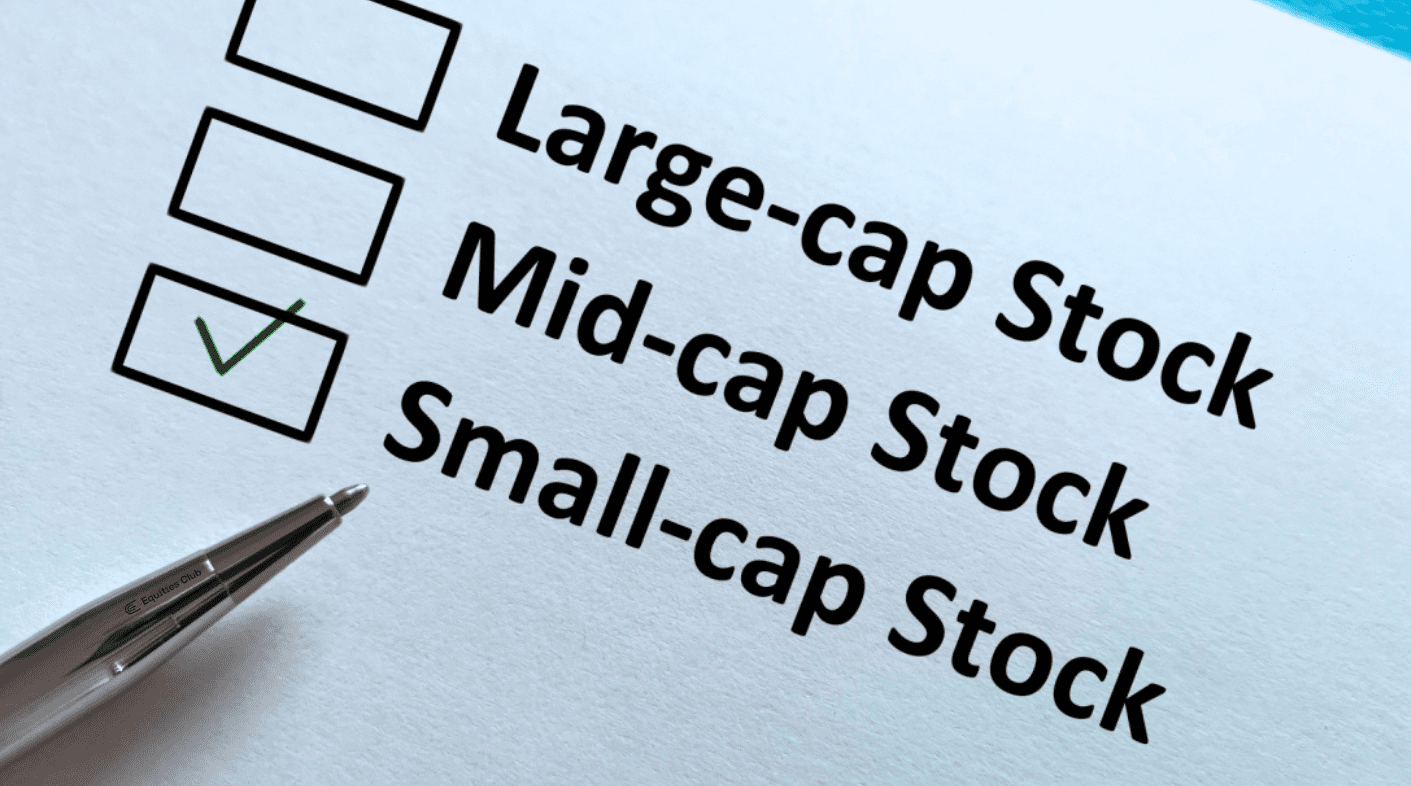
These companies may be pre-revenue, junior explorers trying to define a resource, early-stage tech companies refining a product, or niche operators building a customer base in overlooked markets.
What they all have in common is that they’re in the building phase, and the market hasn’t fully understood what they could become. Because of this, ASX small-caps often sit outside the institutional radar and rarely appear in broker research, meaning they trade in a price range that doesn’t reflect their full potential.
That disconnect creates opportunity. When a company lands a solid drill result or clears up its funding position, the market tends to react quickly. That’s the nature of the small-cap space – share prices can move fast, both up and down, often off the back of a single announcement.
If you’re prepared to do your own research and can handle some volatility (honestly, this part isn’t for everyone), small-cap stocks give you access to opportunities the crowd misses. You won’t pick every winner, but when you find the right company early, it can reshape your entire portfolio.
Why Consider Small-Cap Stocks in Your Portfolio?
Small-cap stocks offer something that larger companies usually can’t replicate – the opportunity to get in early before the broader market understands them.
When a company is still developing and flying under the radar, the upside is often completely under-appreciated. This is your edge.
Most people stick to the household names – CBA, BHP, maybe an ETF. Safe, and often smart choices. The only problem can be is that so does everyone else. When you’re buying the same blue chips as your neighbour (and every super fund in the country), you’re also competing for returns that have already been picked over.
If CommBank shares are fairly valued, it’s because thousands of analysts, fund managers, and institutional investors have already done the maths.
Small caps are different. Most of these companies don’t even have a single analyst covering them. No broker research, no institutional following and no coverage in the mainstream financial press. This means the market can get the pricing wrong – sometimes dramatically.
With small-cap stocks, you’re looking to understand a business, track its progress and back your conviction before the rest of the market catches on. Get the timing right, and you can capture years of growth in months.
Not every pick will work out (that’s the nature of the game), but when you identify a quality company early, and the story unfolds as expected, the returns can dwarf anything you’ll see from the ASX 200.
Where to Find Small-Cap Stocks Worth Investing in
In ASX small caps, the usual approach – scanning the Australian Financial Review, catching snippets on the evening news – won’t get you anywhere in small caps. You need to dig where others won’t bother looking.
Start with ASX announcements. This is the goldmine some investors completely ignore. Every material development, quarterly update, board change gets disclosed here first. While everyone else is waiting for someone to spoon-feed them the highlights, you’re reading the source material. Current cash position, director holdings, project timelines – it’s all there if you’re willing to look.
Set up watch lists on your trading platform (CommSec, NABTrade, whatever you use) and start tracking companies that catch your interest. Don’t just read the announcements – study how management communicates. Some CEOs are straight shooters who call a spade a spade. Others could make a train wreck sound like a strategic pivot.
This isn’t about news – it’s about getting to know the people you’re backing. Management style tells you everything. Are they honest when results disappoint, or do they spin everything as a positive? Trust us, once you’ve been burned by overpromising management, you’ll start paying attention to these details.
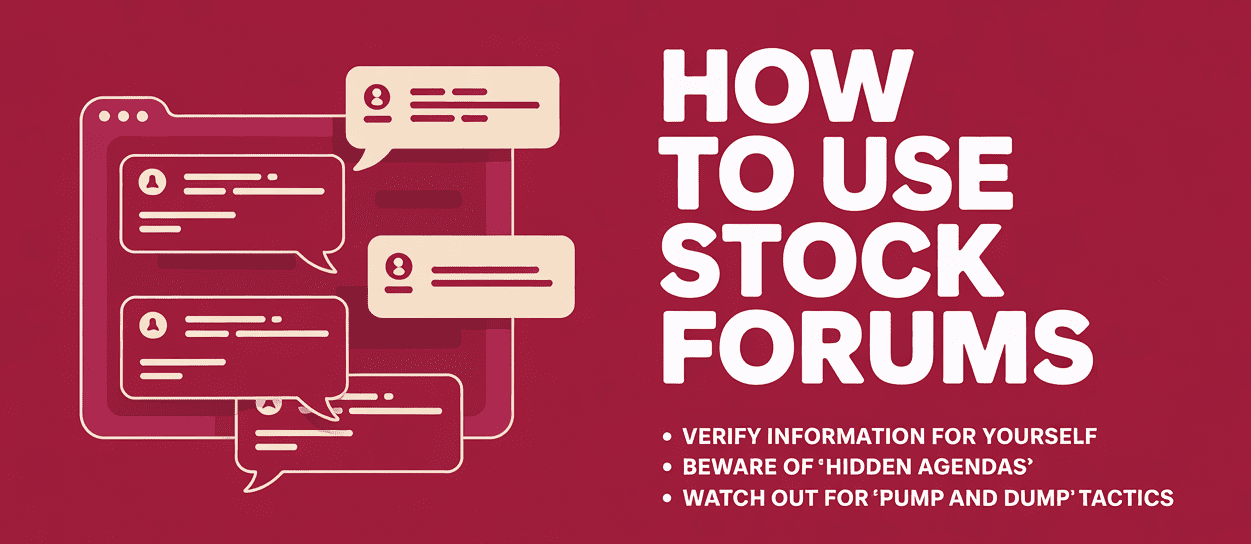
Social media and forums (Facebook, Instagram, X, Reddit, investing newsletters) can surface stories before they hit mainstream radar. But treat it all with a healthy scepticism. The loudest voices are sometimes championing their own financial position (or talking their own book, as they say in the industry). Use these sources for ideas, not investment decisions.
Many companies run investor webinars where you can watch management present. This might sound basic, but body language and tone can sometimes reveal more than any polished presentation slide. Does the CEO or MD sound like they genuinely believe in what they’re saying, or are they just going through the motions? Red flags can become obvious when you start paying attention.
The more time you spend with primary sources – company announcements, management presentations, direct communication – the better you’ll get at separating quality from noise. It’s not glamorous work, but it’s how you build conviction before everyone else catches on.
Common Mistakes to Avoid
Chasing hype, skipping basic research or betting the farm on a single story are the classic traps that catch even smart investors off-guard.
Diving into a stock after reading just the latest few announcements is a common mistake. That’s like buying a house after only seeing the kitchen. You need to understand how the company trades, its volatility patterns, share structure, major holders, and cash runway. These are survival basics in small-cap investing.
Diversification is also important. Going too heavy into a single position is a mistake that catches many out. Small caps can turn on you fast. One bad drill result, one funding hiccup, and you’re watching months of gains evaporate.
Never put more than you can afford to lose into any single high-risk position. Confidence is good. Overconfidence can expose you to potentially large, unnecessary downside.

Then there’s the emotional trap: falling in love with your research. You’ve spent weeks studying a company, you believe in the story, management seems solid. But if the company keeps missing targets and your original thesis isn’t playing out, it’s time to remove the emotion and make a sensible decision.
Not all trading platforms are made equal and differences in fees can compound over time.
Another classic mistake is chasing stocks that have already run hard. When a small cap jumps 50% in a week, guess who’s looking to sell? The smart money that got in early. By the time you’re reading about it online, you’re often buying from people taking profits.
Your edge comes from finding value before others, not chasing momentum after the move.
Finally, holding onto hope that things will turn around can be a portfolio killer. If the targets are continually changing and the company cannot deliver on your initial investment thesis, it’s usually time to cut your loss and run; if you don’t, serious long-term damage can be done to your portfolio.
Summary
Often, what separates the winners from the losers in small caps is work rate. While some investors are scrolling social media for hot tips, the successful ones are often reading quarterly reports at midnight and tracking management presentations.
Small-cap investing isn’t for everyone. You need thick skin, patience and the ability to watch your positions swing 20% in a day without losing sleep. But those wild swings work both ways. When you get the research right and timing aligns, the returns can be extraordinary.
The key is staying close to your research, acting with discipline, and constantly re-evaluating your position.
Good decisions at this end of the market can compound quickly, as can losses, so financial discipline is a must. The focus should be on small valuations and companies with experienced management and upcoming milestones that are well-funded.
By ticking these boxes, you’ll be ahead of many others in the market who are unwilling to put in the hard work. For investors willing to take small-caps seriously, the long-term rewards are there. They just don’t come easily.

FAQs
How Much of Your Portfolio Should be in Small Caps?
Only you can answer this. Position sizing in small caps can make or break you. Get it right, and you capture meaningful upside while protecting your downside. Get it wrong, and one bad pick can wipe out years of gains.
Small caps are inherently volatile and illiquid – they can rocket or crash on a single announcement. That means you need to think probability and exposure, not just conviction.
Most experienced investors allocate 10-30% of their portfolio to small caps, depending on their risk appetite and market experience. There’s no magic number – some go higher during strong market periods, but remember that bull markets don’t last forever, and when sentiment turns, small caps get hammered first.
Think of small caps as the high-conviction, high-risk component of your portfolio. They’re the positions where you’re swinging for the fences, not your steady dividend plays.
Like with investments in large companies, diversification matters if you’re backing early-stage names. It’s wise to spread your investments across sectors and stages of development.
For example, a mix of mining exploration companies across commodities or tech in different sectors gives you a broader chance of hitting something meaningful without relying on a single commodity or sector of the market to outperform.
You can still take meaningful positions in companies you’ve researched deeply – just don’t let any single stock threaten your financial well-being. There’s no glory in riding a conviction play from $1 to 10 cents because you couldn’t admit you were wrong.
Discipline will always serve you better than chasing that Hail Mary win.
Are small-cap stocks worth investing in now?
Timing matters in small caps more than anywhere else. Get in when everyone’s excited, and you could get burned. Get in when no one’s paying attention? That’s when fortunes get made.
The old cliche still rings true: buy low, sell high.
If small caps were screaming higher right now, we’d say it might be worth waiting. But they’re not. Over the past year, this segment has been absolutely hammered. Capital has dried up, retail investors have lost interest and risk appetite has gone out the window.
Perfect.
While everyone else has moved on to crypto or AI stocks, the quality small caps are still doing the work. Drilling programs continue, product development carries on, and management teams keep hitting milestones. The market just isn’t paying attention yet.
When sentiment eventually turns (and it always does), small caps re-rate violently. We’re talking multiples of current valuations, not gentle 10-20% moves. A few strong drill results, some positive macro news, or just a return of risk appetite and suddenly everyone remembers why they loved small caps in the first place.
It’s important to know that not every small-cap will recover; poor management and weak balance sheets can’t help a sinking ship.
If you’re looking to build positions in this part of the market, this is the time to be doing the work, when no one else is watching, this is how positions are built. You want to be identifying value now, experienced management with well-funded companies, so when the market turns, you can sit back and watch the rewards of your research.
Are small-cap investments worth it in the long term?
Long-term small-cap success isn’t about luck – it’s about backing businesses that can survive the quiet periods and keep growing when nobody’s watching.
Many small-cap investors jump in and out of trades based on announcements or sentiment shifts in the market. This is fine, but it takes away the possibility of life-changing gains.
The real money comes from holding quality companies through multiple cycles. Find them early, understand their trajectory, and have the patience to let the story unfold.
An example of this would be De Grey Minerals, which just got acquired by Northern Star (ASX: NST) for $5 billion. De Grey was exploring for gold in an area that was not known for gold, all while the gold sentiment was poor. A large discovery and a change in sentiment sent the share price from 10c to $2 in a matter of years.
Let’s be realistic, though – most ASX small-cap stocks will never become ASX mid-caps, and even fewer will grow into large caps. That’s why research matters. You’re not trying to hit home runs every time; you’re trying to filter out the duds and identify the rare companies with genuine staying power.
Long-term small-cap investing requires active attention. You need to stay close to the story and be willing to adjust when things change.
Sometimes, that means cutting your position entirely if the company moves in a direction you believe to be unfavourable.
The key is cutting out emotion and letting fundamentals drive your decisions. When you approach it this way, you’ll build a portfolio that actually reflects the work you’ve put in. Quality companies survive the cycles – your job is finding them and having the discipline to hold on.
General advice warning
The contents of this document are intended to provide general securities advice only and have been prepared without taking account of your objectives, financial situation or needs. Because of that you should, before taking any action to acquire or deal in, or follow a recommendation (if any) in respect of any of the financial products or information mentioned in this document, consulting your own investment advisor to consider whether that is appropriate having regard to your own objectives, financial situation and needs. If applicable, you should obtain the Product Disclosure Statement relating to the relevant financial product mentioned in this document (which contains full details of the terms and conditions of the relevant financial product) and consider it before making any decision about whether to acquire the financial product. Whilst the Equities Club Pty Ltd (“Equities Club”) believes information contained in this document is based on information which is believed to be reliable, its accuracy and completeness are not guaranteed and no warranty of accuracy or reliability is given or implied and no responsibility for any loss or damage arising in any way for any representation, act or omission is accepted by Equities Club or any officer, agent or employee of Equities Club or any related company.
Neither Equities Club, nor any of its directors, authorised representatives, employees, or agents, makes any representation or warranty as to the reliability, accuracy, or completeness, of this document or any advice. Nor do they accept any liability or responsibility arising in any way (including negligence) for errors in, or omissions from, this document or advice.
Disclosure
The directors, authorised representatives, employees and associated persons of Equities Club may have an interest in the financial products discussed in this document and they may earn brokerage, commissions, fees and advantages, pecuniary or otherwise, in connection with the making of a recommendation or dealing by a client in such financial products.
Confidentiality notice
The information contained in and accompanying this communication is strictly confidential and intended solely for the use of the intended recipient/s. The copyright in this communication belongs to Equities Club. If you are not the intended recipient of this communication please delete and destroy all copies immediately.