
KTEK Aerosystems Articles




KTK Share Price & Investment Performance
Investment Summary
- Date of Investment Announcement 18th May 2026
- Entry Price $0.20
- Returns from Entry +0%
- High Point +0%
Company Milestones
- ASX listing complete
- Approved supplier status at multiple Tier-1 defence contractors
- FY25 revenue of A$5.5 million, 107% CAGR over two years
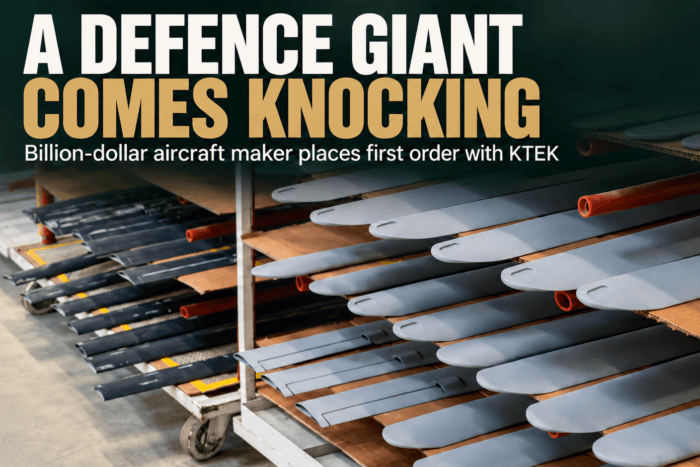
- First purchase order from a newly approved Tier-1
- US manufacturing partner online
- Multi-year platform supply agreement signed
- A$10 million+ annual revenue run rate
Why We Like KTEK
The Israeli-built supplier inside the drone platforms Western militaries are ordering by the hundred thousand
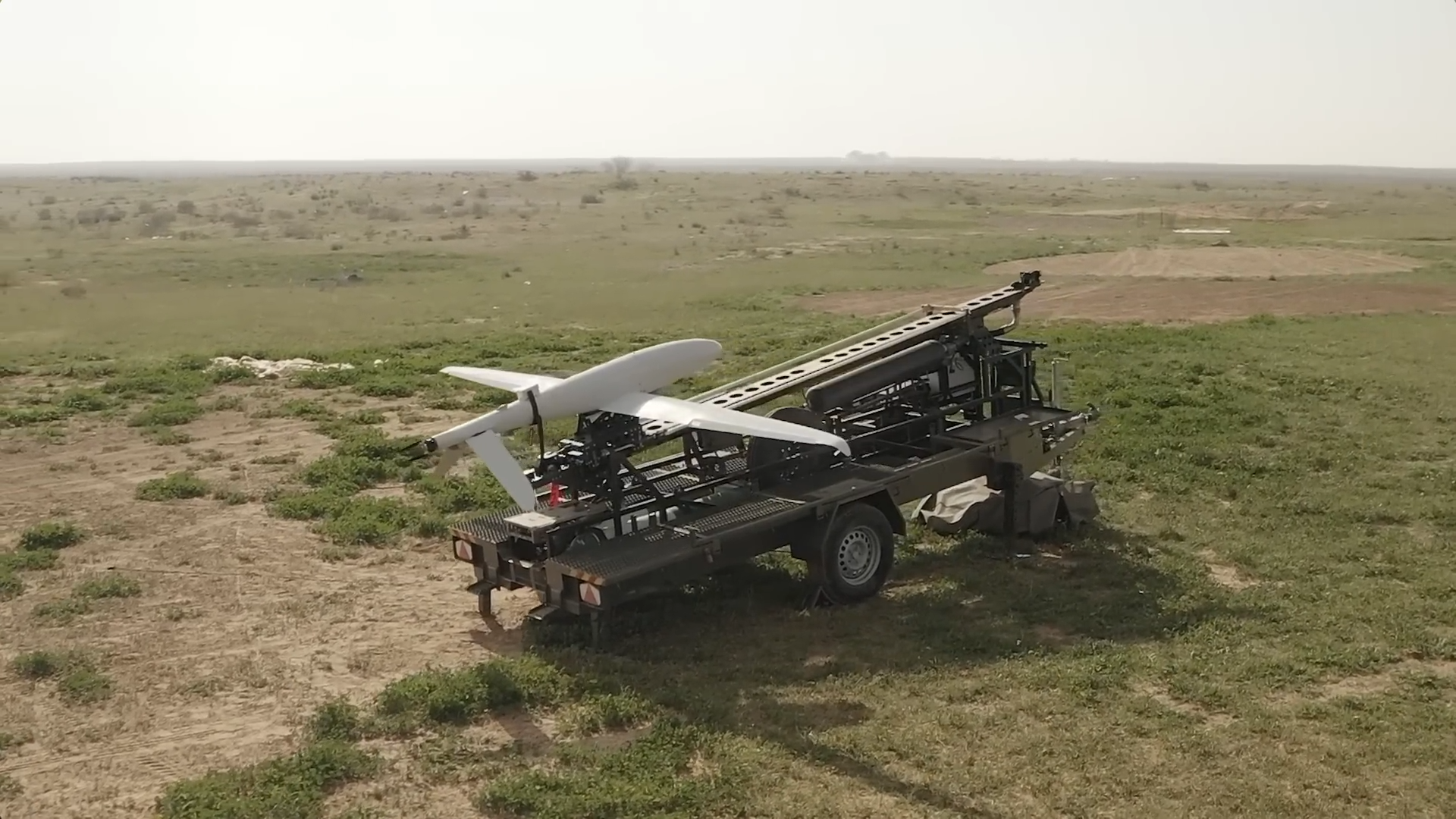
KTK builds the components that go inside military drones. The wings, the frames, the landing gear and the full sub-assemblies that get bolted into platforms made by Elbit Systems, UVision and other Tier-1 defence contractors.
Every drone that ships with KTK parts inside is revenue back to KTK, and the company doesn’t need to win a single government contract to earn it. It just needs to be on the approved supplier list of the contractors who do.
Getting onto one of those lists takes between one and three years of facility audits, aerospace certifications and prototype runs. Once a supplier is in, displacing them means putting a competitor through the same multi-year process while disrupting an active production line. Tier-1s rarely do that lightly.
KTK is already inside. The drone programs running through its parts have won more than US$2.5 billion in contracts since 2023, and the company holds approved supplier status with two further Tier-1 groups whose combined revenues sit above US$10 billion.
Revenue has grown at a 107% compound annual rate over the past two years to A$5.5 million in FY25, and the company has done it without going back to shareholders for cash. Regal Funds Management, Thorney Investment Group and Anton Tagliaferro’s family office TGI Holdings all sit on the register going into listing.
Why Drones Now?
In July last year, the US Defence Secretary signed a memo moving small drones from the same accounting category as fighter jets into the same category as ammunition. The change means small drones get ordered by the case, by individual unit commanders, instead of getting signed off as multi-year platforms by the Pentagon.
Procurement changed overnight. Annual US military drone purchases ran at around 50,000 in 2025. They’re forecast to hit 300,000 in 2026, and over a million within a few years.
The FY27 US Defence budget alone earmarks US$75 billion for drones and counter-drone systems. NATO is targeting 5% of GDP on defence by 2035, Europe has pooled US$870 billion for rearmament, and Australia is in for A$22 billion over the decade.
It’s the largest defence procurement cycle since the Cold War, and the suppliers already inside the platforms picking up the volume are the ones that scale with it.
The Board Has Done This Before
Chairman Howard Digby chaired Elsight (ASX: ELS) from its $18 million IPO to roughly $1.5 billion today.
Non-executive director Winton Willesee sat on the board of DroneShield (ASX: DRO) through its early scaling years, when DRO went from a small-cap counter-drone story to one of the best-performing defence stocks on the ASX.
Director Chris Baxter has advised Skyeton, a Ukrainian drone manufacturer shipping platforms straight into the most heavily combat-tested UAV environment on the planet.
KTK's Cordless Factory
Most defence manufacturers scale by building bigger factories. That approach eats capital and locks production to a single country.
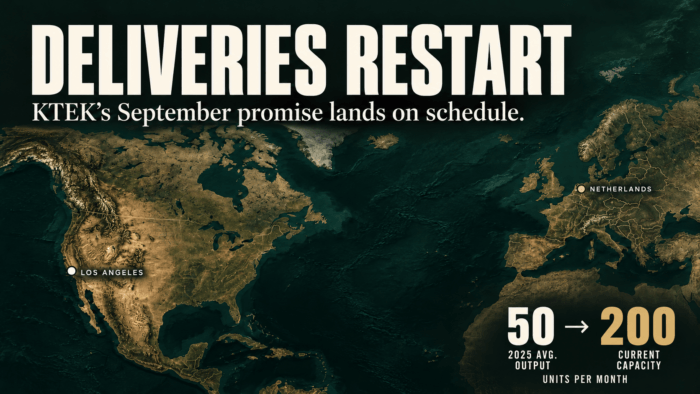
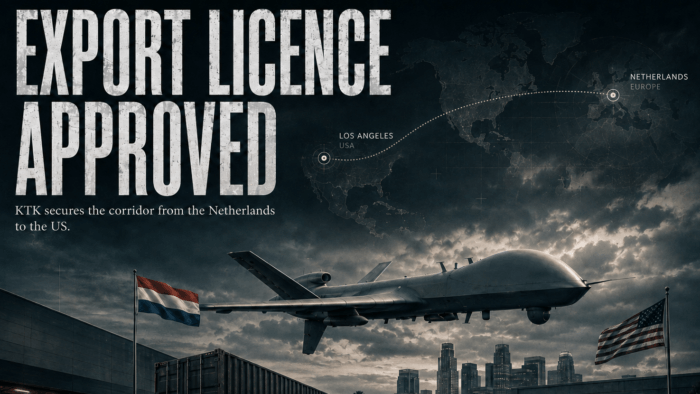
KTK runs a different model called the Cordless Factory. The engineering, design work, quality control and systems integration all stay in-house in Israel. The physical manufacturing gets contracted out to a network of certified aerospace partners across Israel, Portugal, the Netherlands and Australia, with US partners next on the list.
The model lets KTK shift production between facilities depending on where the customer is, where the capacity sits and how the geopolitics look that month. It also avoids the capital intensity that crushes most early-stage defence manufacturers before they get to revenue.
It’s how a company doing A$5.5 million in revenue can already be supplying Tier-1 defence programs at scale, and how it’s grown revenue at triple-digit rates over two years without going back to shareholders for cash.
The Key Points of Interest
- Approved Tier-2 supplier into drone programs at Elbit Systems, UVision and two further Tier-1 defence contractors
- Customer contracts running through KTK parts total more than US$2.5 billion since 2023
- FY25 revenue of A$5.5 million, more than quadrupled in two years
- Cordless Factory model with in-house engineering and outsourced manufacturing across four countries
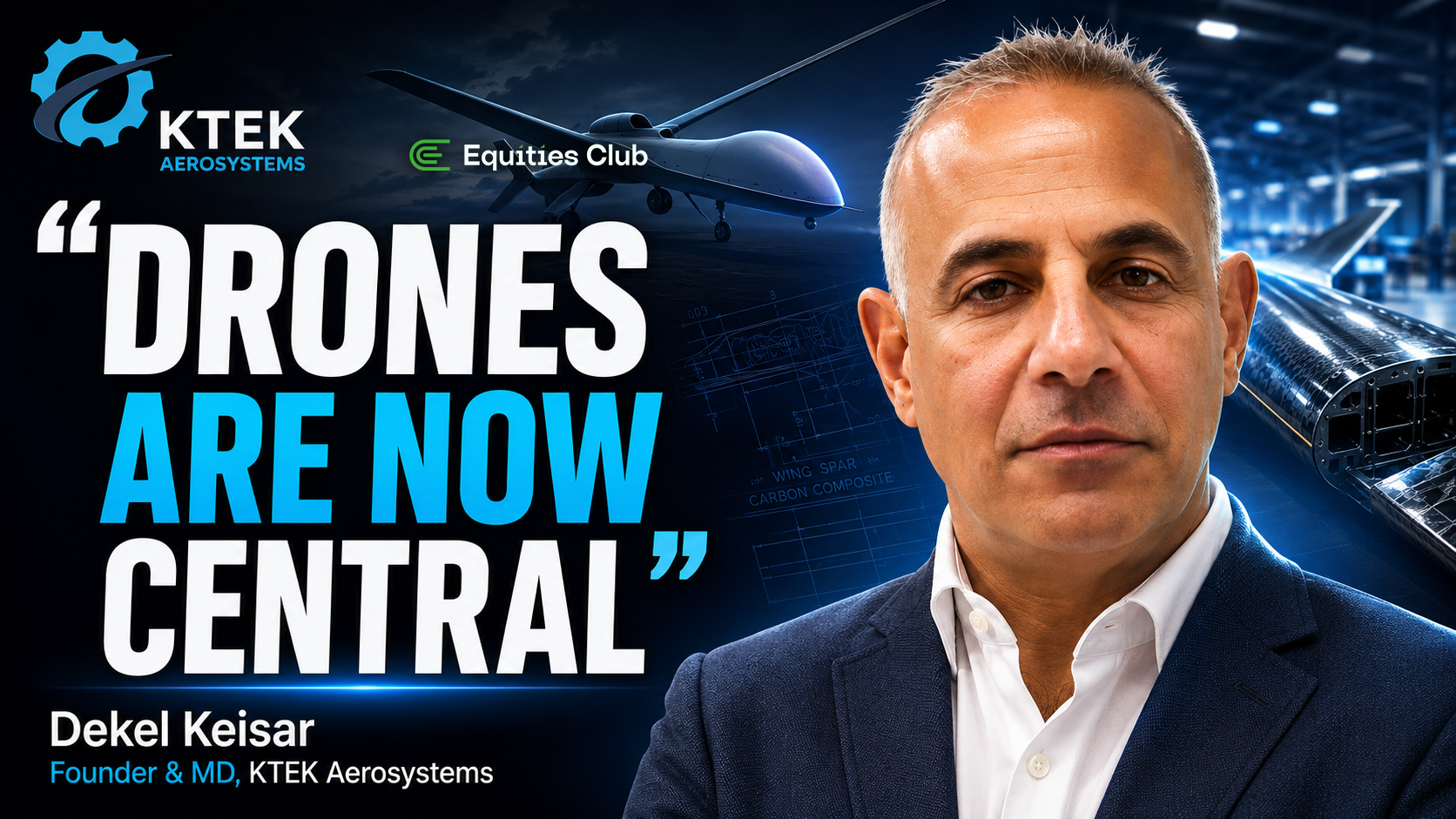
- Founder Dekel Keisar previously led structural engineering on military drones at Israel Aerospace Industries
- Chairman Howard Digby chaired Elsight (ASX: ELS) from its $18 million IPO; the company is now worth roughly $1.5 billion
KTK in Summary
The drone procurement cycle has turned from buying jets to buying ammunition. Western militaries are ordering small drones by the hundred thousand, and the suppliers already inside those platforms scale with the volume.
KTK is inside. Approved on drone programs run by Elbit Systems, UVision and two further Tier-1 contractors, with customer contracts totalling more than US$2.5 billion.
Revenue has more than quadrupled in two years to A$5.5 million in FY25, without tapping shareholders for cash along the way.
Founder Dekel Keisar built KTK after years of structural engineering on military drones at Israel Aerospace Industries. The chairman has done this before, on the same exchange, in the same broad sector.
Disclaimer: This blog post is for informational purposes only and should not be considered as financial advice. Always consult with a financial advisor before making any investment decisions.