
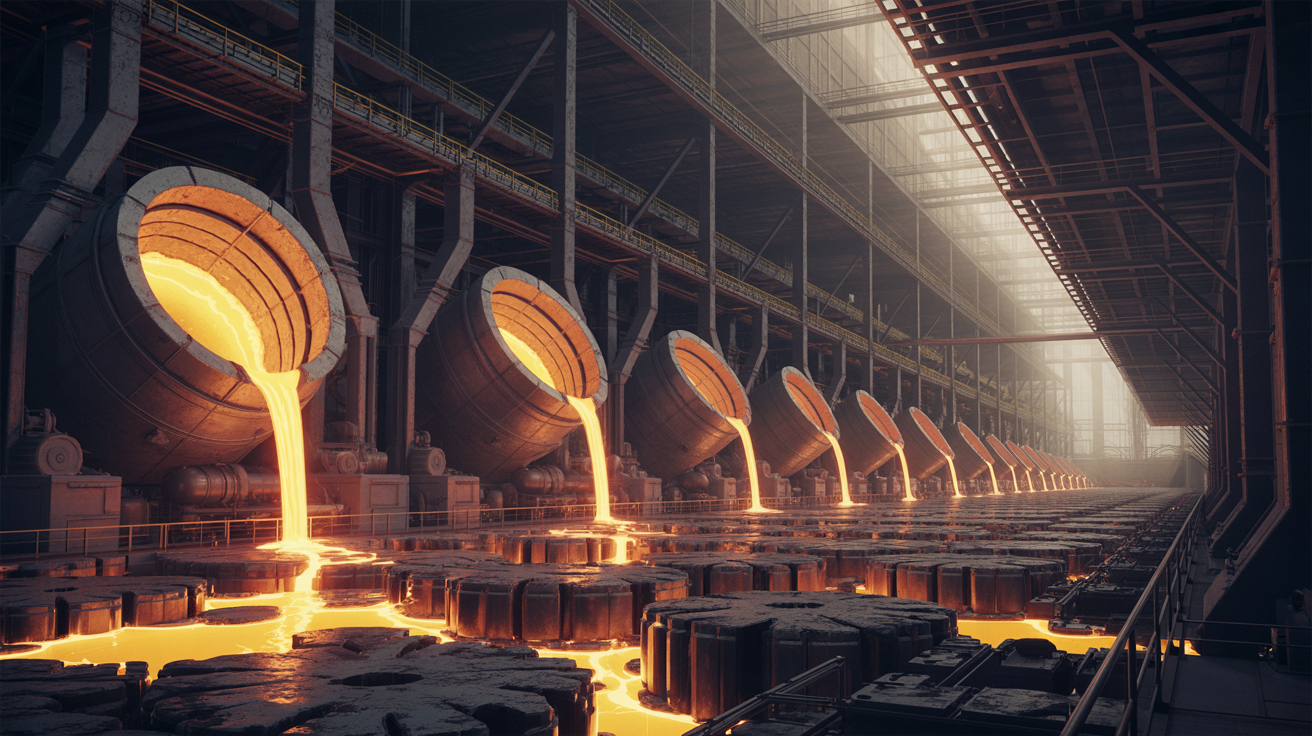
Titanium is everywhere you look once you start paying attention. The metal that holds together jet engines and keeps hip replacements from corroding. It’s light, it’s strong, and it handles heat better than almost anything else on the periodic table.
For decades, aerospace ate up most of the world’s titanium supply. Jet engines, airframes, landing gear. Then medical implants joined the queue. Now two new sources of demand are showing up at the same time: humanoid robots, and the defence industry’s growing appetite for lightweight drone components and armour.
Titanium comes from two minerals. Rutile is the premium feedstock because it produces the highest purity titanium dioxide with less processing. Ilmenite is more common but lower grade, meaning it needs more refining before it becomes useful. Both are mined from mineral sands deposits, often alongside zircon.
The supply side has been quietly tightening. Existing mines are ageing. New deposits take years to permit and develop. China controls a large portion of global titanium sponge production. When supply gets concentrated in one country and demand keeps climbing, the maths gets interesting for investors willing to look upstream.
The Latest Titanium ASX News

Investing in Titanium on the ASX
Why Titanium Matters
Titanium sits in a rare category of metals where nothing else does the job as well. Steel is heavier. Aluminium is weaker under heat. Carbon fibre is brittle under impact. When you need something that stays light and handles extreme temperatures without corroding, titanium wins.
Aerospace is still the anchor buyer. A single commercial jet engine contains about 30% titanium by weight. Boeing and Airbus are building planes faster than they can source parts. Defence spending is layering on top, with lightweight armour and drone frames both pulling from the same supply chain.
The humanoid robotics angle is newer and moving faster than most people realise. Tesla says it could produce up to a million humanoid robots per year by 2027. China already has a factory in Foshan producing one humanoid every 30 minutes. Morgan Stanley projects the humanoid robot market at US$5 trillion by 2050. A robot that walks and lifts all day needs a frame that handles constant mechanical stress without adding bulk. Steel is too heavy. Titanium solves that.
Medical implants round out the picture. Titanium is biocompatible, meaning the human body accepts it without rejecting the material. Hip replacements, dental implants, spinal cages, surgical instruments. All titanium.
Where the Market Sits
The global titanium market is projected to reach around US$30 billion by 2030 and could push past US$56 billion by 2035 as aerospace and robotics demand accelerates.
Rutile supply has been declining for years. Most of the world’s easily accessible mineral sands deposits have been mined or are nearing the end of their productive life. New supply is being developed in Malawi and parts of Australia, with Mozambique also in the mix, but the lead time from discovery to production is long.
China produces roughly half the world’s titanium sponge, the intermediate product between ore and metal. That concentration creates the same kind of supply chain risk that rare earths investors have watched play out over the past two years. Western governments are aware of it. Funding is starting to flow toward projects in allied
jurisdictions.
How Titanium is Priced
Titanium does not trade on a public commodity exchange the way gold or copper does. Pricing runs through private contracts between miners and end users. That makes the market less transparent and harder to track in real time.
Rutile concentrate trades at a premium to ilmenite because it requires less processing to produce high-purity titanium dioxide. Prices move with aerospace production cycles and the balance between Chinese domestic demand and export availability.
Titanium sponge (the metallic form) is priced separately and tends to follow aerospace demand closely. When Boeing or Airbus ramp production, sponge prices respond. When defence budgets expand, the same thing happens.
For ASX investors, the easiest way to track titanium exposure is through the mineral sands miners who produce rutile and ilmenite.
What to Watch in the Market
Humanoid robotics adoption is the demand story to follow. If even a fraction of the forecast production numbers land, the titanium supply chain will feel it within years, not decades. Tesla and Figure AI are the Western names to watch. China is already deploying units in EV factories that complete 90% of a human worker’s tasks in a three-hour shift.
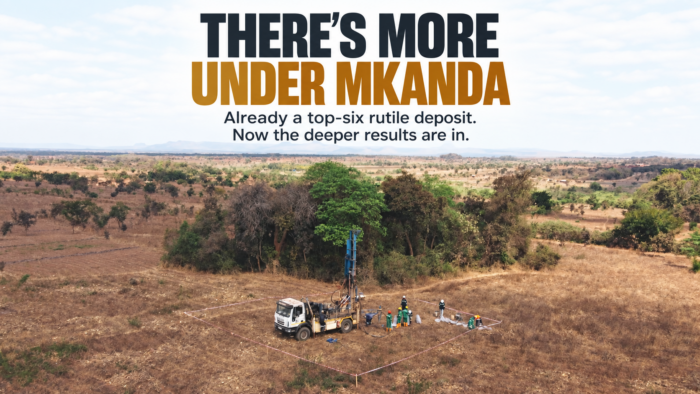
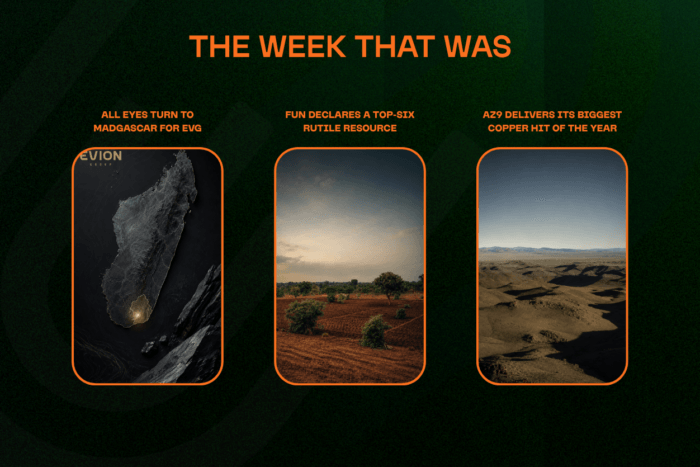
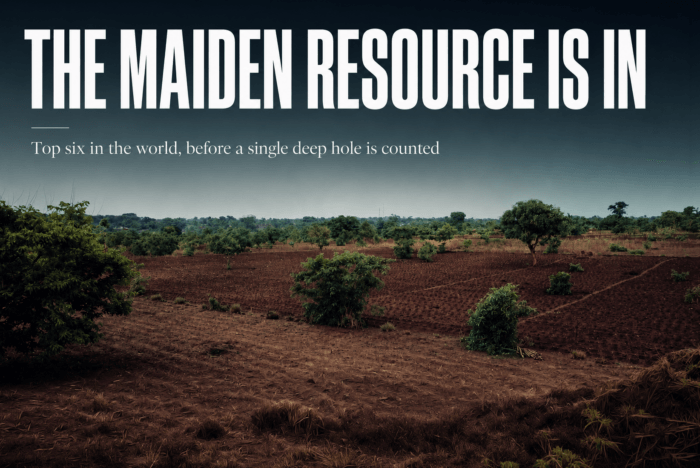
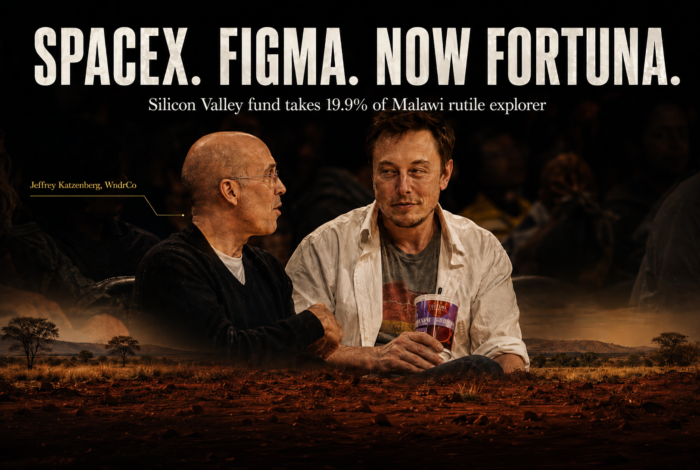
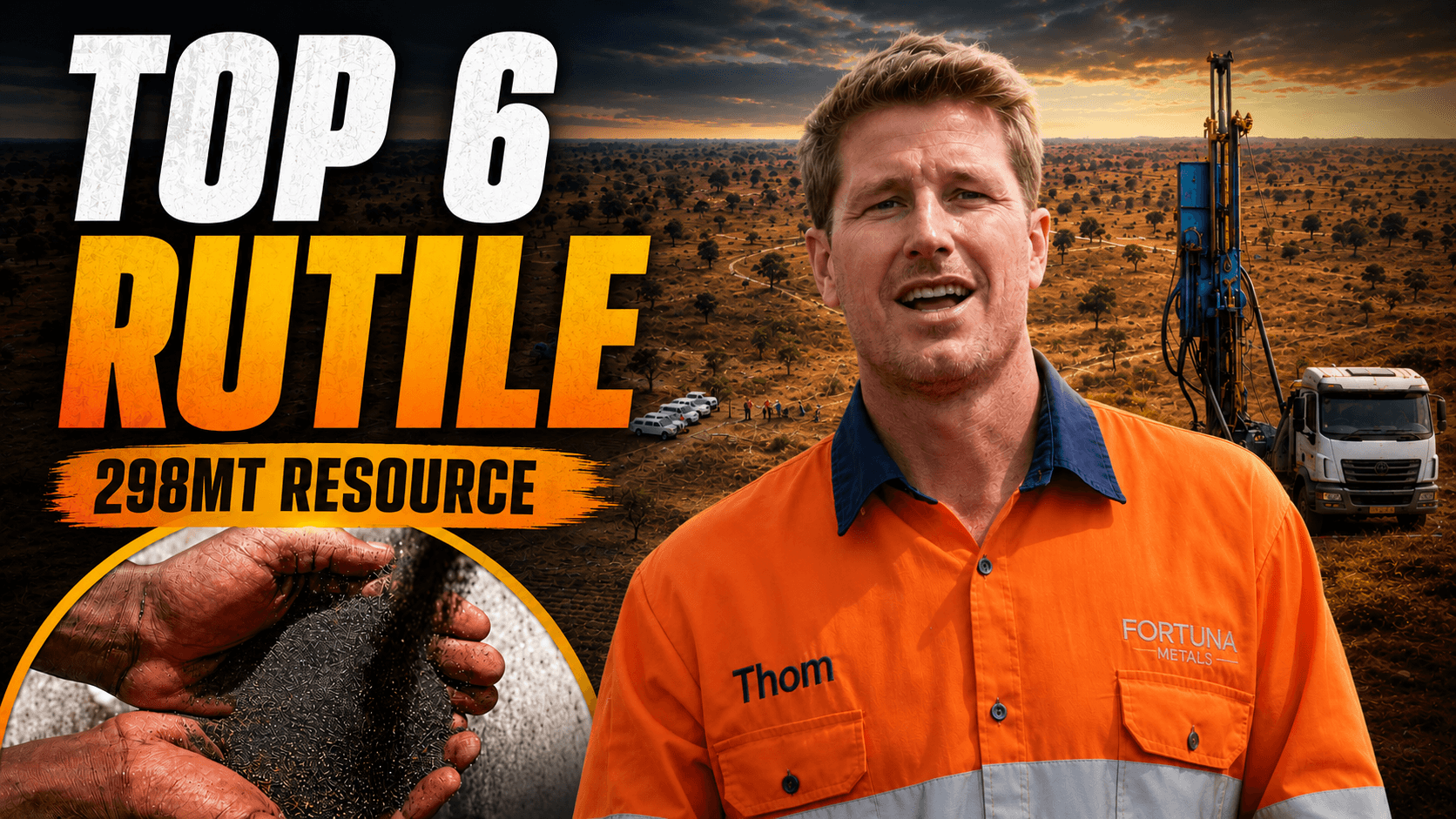
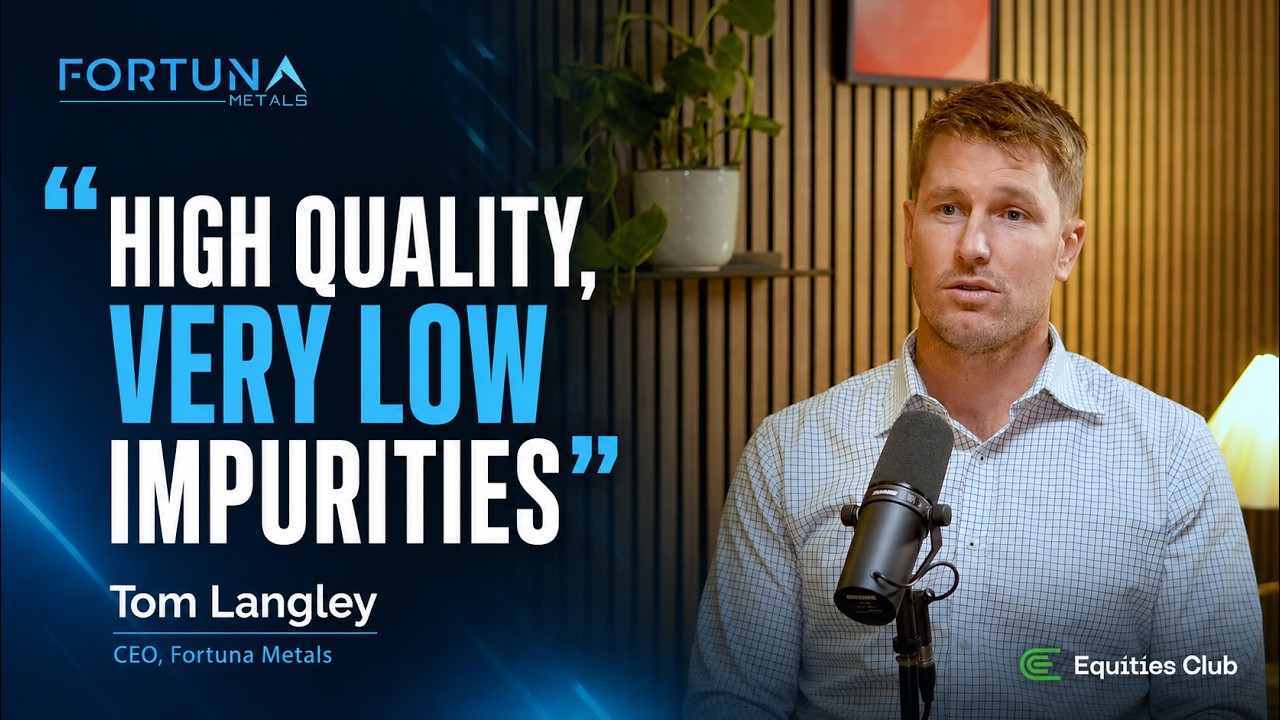
On the supply side, watch Malawi. The country hosts some of the largest undeveloped rutile deposits on the planet. Sovereign Metals (ASX: SVM) holds the world’s largest rutile deposit at Kasiya. Fortuna Metals (ASX: FUN), which sits in our portfolio, is exploring along the same geological corridor and has delivered strong early results.
Japan’s Mitsui recently signed an MOU with Sovereign for up to 70,000 tonnes per year of natural rutile. When a trading house of that size locks in supply agreements before a mine is built, it tells you something about where they see the market heading.
Defence procurement cycles are worth tracking too. As governments commit to AUKUS and expand their drone fleets, the titanium demand from that sector becomes harder to ignore.
How to Research Titanium Stocks on the ASX
Start with what they’re mining. Rutile deposits command a premium over ilmenite because the end product is worth more and the processing is simpler. Grade matters. Location matters. Proximity to infrastructure matters because mineral sands are heavy and expensive to transport.
Check whether the company has a clear path to production or whether it’s still years away from a feasibility study. The difference between a company with a maiden resource and one with offtake agreements is worth understanding before you buy in.
Look at who’s backing the project. Government grants and strategic investors both signal that someone with money has done their own due diligence. Offtake agreements carry even more weight because they mean an actual buyer has committed to purchasing the product before it exists.
For companies exploring in Malawi or Mozambique, keep an eye on permitting and sovereign risk. These countries offer geological upside but carry political and regulatory risks that Australian-based projects avoid.
Management experience in mineral sands is worth its weight in titanium. The processing chain from ore to pigment to metal is technical, and companies run by teams who have done it before tend to execute better than those learning on the job.


