
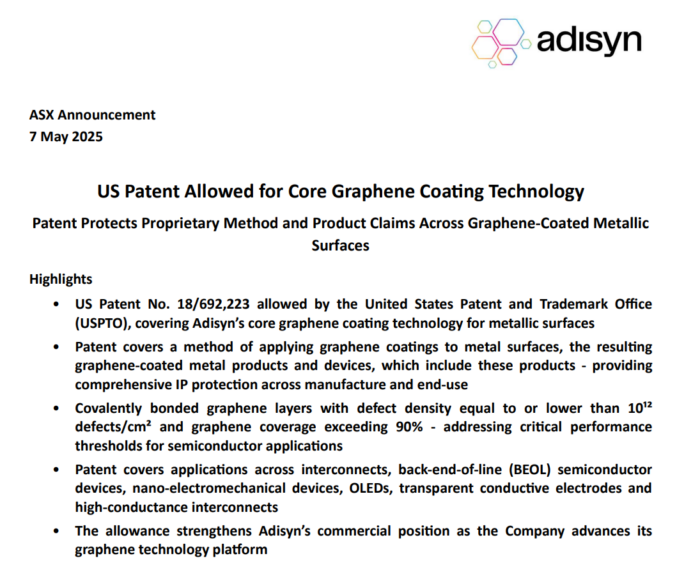
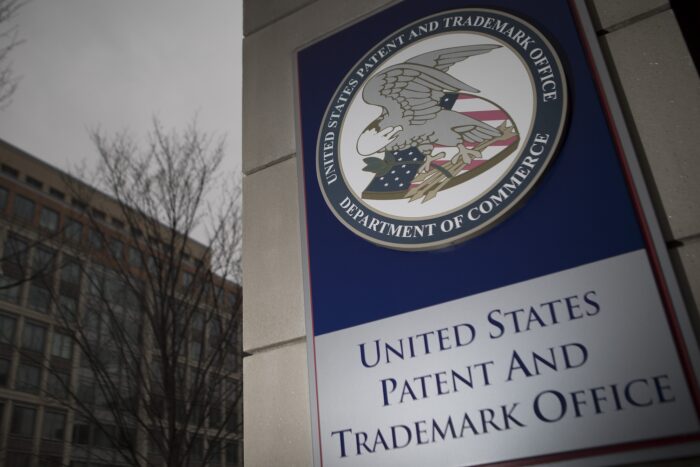
Adisyn (ASX: AI1) has announced the United States Patent and Trademark Office has allowed the company’s foundational patent covering its graphene coating technology.
The patent protects the method of creating graphene-coated metal surfaces, the resulting product itself, and the devices that use it.
For AI1, it puts a US legal wall around technology targeting two major global industries.
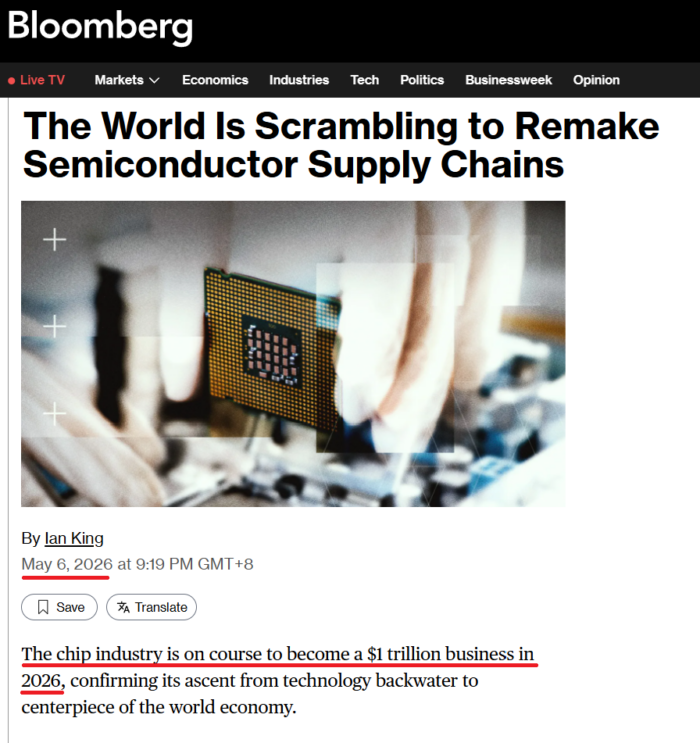
The first is semiconductors, a trillion-dollar industry now scrambling to solve the physical limits of copper wiring inside AI chips. The second is defence and autonomous drones, where radar-absorbing materials and stealth technology are becoming increasingly valuable.
The patent allowance shifts AI1 from being a science project into a company now sitting in commercial conversations around licensing, partnerships and adoption.
Where AI1 Sits Today
A quick recap for anyone catching up.
We added AI1 to the Equities Club portfolio just over two weeks ago at 6.8 cents. Today it sits at 27.5c, a major run backed by major news flow, with plenty more ahead if the company continues executing.
AI1 is a graphene technology company pointed at two enormous markets.
The first is chipmaking, where its low-temperature graphene process cleared a decade-old semiconductor roadblock the day we wrote about the company.
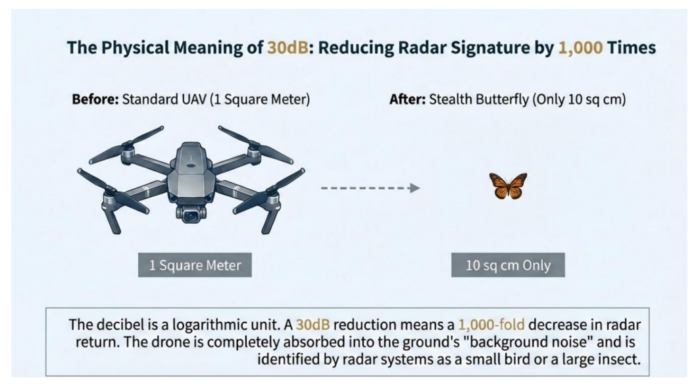
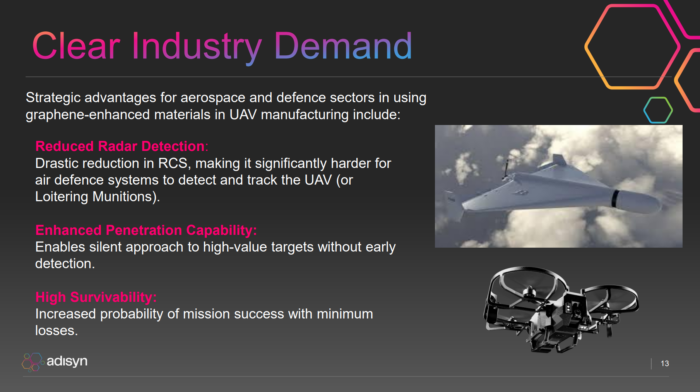
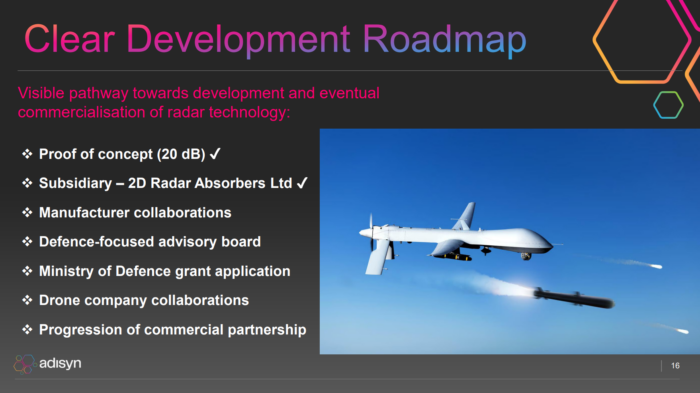
The second is drones, where the same graphene platform is being developed into a coating that effectively hides drones from radar.
Inside the four trading days that followed, AI1 cleared the chip industry milestone, signed the exclusive worldwide stealth drone licence with Tel Aviv University, and filled a $14 million placement cornerstoned by Meitav (Israel’s largest investment house, A$190 billion under management) and Regal Funds Management (A$20 billion under management).
This week, retired Israeli Colonel Tamir Zimber, operational commander of Iron Dome, Arrow, David’s Sling and Patriot, was appointed as the first member of the advisory board for the drone subsidiary.
Today, the US patent allowance lands.
What “Allowed” Actually Means
A quick word on the language, because patent terminology can be slippery.
When the United States Patent and Trademark Office (USPTO) “allows” a patent, it has reviewed the application, satisfied itself that the technology is genuinely new and inventive, and decided it will be granted.
The patent process can take anywhere from 18-36 months to be assessed and approved. AI1 is far down that process and the expectation is final approval is one to three months away.
What’s left from here is largely paperwork. The examiner has effectively made the call, with the process now moving toward final sign-off and formal grant.
What the Patent Covers
Most patents protect either a method or a product. This one covers both, plus the devices that contain the product.
That is an important distinction.
- A method-only patent stops competitors from copying the way you make something.
- A product patent stops competitors from selling the thing itself, however they made it.
- A device patent stops them from selling the gadgets that use it.
AI1’s patent covers all three.
“The allowance of this US patent is a landmark moment for Adisyn. It confirms that our graphene deposition technology is both novel and inventive – representing a genuine scientific advance over existing approaches.”
– Adisyn Managing Director Arye Kohavi
The technical side of the patent matters too.
AI1’s patent protects graphene coatings that are ultra-clean, highly consistent, tightly bonded to the metal underneath, and made without the contamination issues that have crippled competing graphene processes for years.
It also protects the low-temperature manufacturing process AI1 uses to build those graphene layers in conditions compatible with real semiconductor factories.
The chip industry has spent years knowing graphene could be the answer, but nobody could make it properly inside an actual chip production environment.
AI1’s patent is built around solving exactly that problem.
Why These Numbers Matter to Chipmakers
A reminder of the problem AI1 is solving on the chip side.
Every advanced chip on the planet uses copper wiring to move electricity between transistors. It’s why the chip industry is a trillion dollar industry, and growing very quickly.
As chips have shrunk over the past decade, that copper wiring has shrunk with them.
It is now thin enough that resistance is climbing, signals are stalling, and AI workloads are wasting enormous amounts of electricity just pushing electrons through the wires.
The semiconductor industry has agreed for over a decade that graphene is the answer.
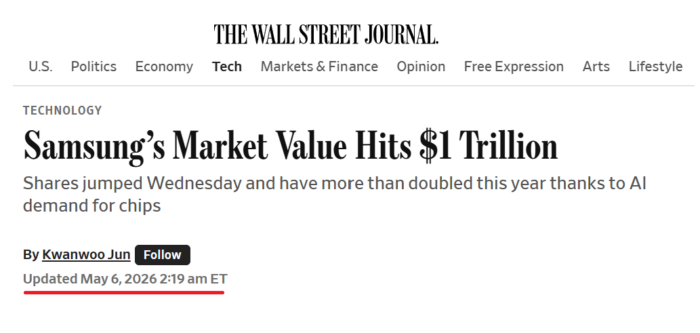
Imec, the Belgian research hub TSMC, Intel, Samsung (the latest trillion dollar company) and the rest of the major chipmakers use to figure out what’s next, has publicly named graphene as the most promising replacement.
The catch was always how to make it. Graphene normally needs about 1,000 degrees Celsius to grow. A real chip factory caps out at 450 degrees.
Anything hotter melts the chip.
AI1 is the only company we can find that has demonstrated a process to grow continuous graphene at temperatures that won’t melt the chip.
The patent now puts a US legal wall around exactly that.
The defect and coverage numbers inside the patent are where the value sits.
If the graphene layer is patchy or full of imperfections, it simply does not work properly inside a chip. AI1’s patent sits around the performance levels the semiconductor industry has been trying to reach for years.
That is what turns this from just another patent filing into something commercially valuable.
Why the US Patent Specifically
The US is the largest and most commercially significant patent jurisdiction in the world.
Three reasons that matters for AI1.
First, every major chip equipment company AI1 might one day license to or be acquired by: Applied Materials, Lam Research, KLA, is US-headquartered. A US patent is the one their lawyers will look at first.
Second, US courts are where the real money in patent enforcement gets decided. A US patent gives AI1 the option to sue infringers, block imports through the International Trade Commission, or use the threat of either to drive licensing deals.
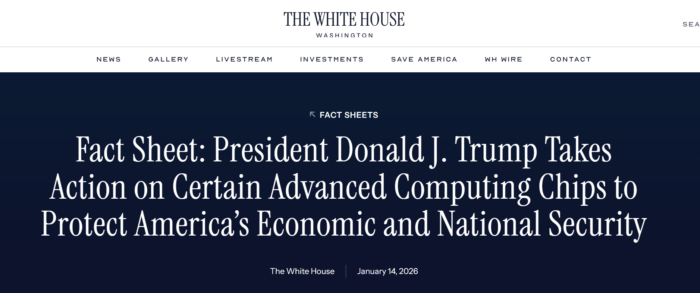
Third, the CHIPS Act has put tens of billions of US government dollars behind onshoring chip manufacturing. TSMC’s Arizona fabs are getting US$6.6 billion. Micron US$6.17 billion. Samsung US$4.75 billion. Every fab built under that program is a fab that needs IP-cleared materials.
A US patent on a fab-compatible graphene process is exactly the kind of asset that fits inside that wave.
Why Method-Plus-Product Matters
Most chip industry patents only cover a method.
That’s a problem if your competitor figures out a different way to get to the same end product, because the method patent doesn’t stop them.
AI1’s patent covers the resulting graphene-coated metal product directly, regardless of how it was made.
Anyone producing graphene-coated metal surfaces that fall within the performance specs laid out in the patent now risks stepping into infringement territory inside the US.
That’s a much wider net than a method patent alone.
For a company that may one day license its technology to multiple customers, this is the structure that maximises what AI1 can charge.
The Bigger Defensibility Story
The patent is one layer. AI1’s announcement makes a point of flagging the rest.
Some of the most valuable elements of the technology include the chemistry of the molecular precursors, the operational know-how, the manufacturing tweaks built up over six years of lab work, will all stay as trade secrets rather than registered patents.
There’s a reason for that is once you patent something, the world can read exactly how it works. The clock starts ticking on your 20-year exclusivity, and after that anyone can use it.
Trade secrets don’t expire. They just need to stay secret.
The Coca-Cola formula has never been patented. Neither has KFC’s secret eleven herbs and spices, but then neither has the precise chemistry inside ASML’s chipmaking machines, the tools used to manufacture the world’s most advanced semiconductors.
The most defensible technology businesses on the planet run a blend of patents on the obvious stuff and trade secrets on the bits competitors most want to copy.
AI1 is now running that same playbook.
Drone Side: One Patent, Two Programs
The patent’s scope explicitly extends to advanced composite materials, including the work happening inside 2D Radar Absorbers Ltd, the subsidiary holding AI1’s stealth drone licence.
Same core technology. Different end market. One patent covers both.
AI1 has two shots at multi-billion dollar markets, this is the cleanest legal structure available, one piece of IP that protects two completely separate commercialisation paths.
What We’re Watching From Here
Three things over the next 12 months on the chip side of the business:
- Formal grant of the US patent. Allowance is the green light. Grant is the formal stamp. Usually a one-to-three month gap.
- Additional patent filings. The company has flagged it is “evaluating the extension of its intellectual property position through additional patent filings in relevant jurisdictions.” Expect more announcements as the global IP wall is built out.
- First commercial conversations on the chip side. The patent allowance gives AI1 something every prospective licensee or partner needs to see before they engage seriously: proven, enforceable IP in the world’s biggest market. Chairman Kevin Crofton spent 30 years inside the rooms where TSMC, Samsung and Intel pick what to adopt next. Those are the conversations the patent now opens up.
The chip industry has been watching graphene for over a decade.
AI1 just turned its lab work into a US legal asset.
General advice, disclosure and confidentiality
General advice warning
The contents of this document are intended to provide general securities advice only and have been prepared without taking account of your objectives, financial situation or needs. Because of that you should, before taking any action to acquire or deal in, or follow a recommendation (if any) in respect of any of the financial products or information mentioned in this document, consulting your own investment advisor to consider whether that is appropriate having regard to your own objectives, financial situation and needs. If applicable, you should obtain the Product Disclosure Statement relating to the relevant financial product mentioned in this document (which contains full details of the terms and conditions of the relevant financial product) and consider it before making any decision about whether to acquire the financial product. Whilst the Equities Club Pty Ltd (”Equities Club”) believes information contained in this document is based on information which is believed to be reliable, its accuracy and completeness are not guaranteed and no warranty of accuracy or reliability is given or implied and no responsibility for any loss or damage arising in any way for any representation, act or omission is accepted by Equities Club or any officer, agent or employee of Equities Club or any related company.
Neither Equities Club, nor any of its directors, authorised representatives, employees, or agents, makes any representation or warranty as to the reliability, accuracy, or completeness, of this document or any advice. Nor do they accept any liability or responsibility arising in any way (including negligence) for errors in, or omissions from, this document or advice.
Disclosure
The directors, authorised representatives, employees and associated persons of Equities Club may have an interest in the financial products discussed in this document and they may earn brokerage, commissions, fees and advantages, pecuniary or otherwise, in connection with the making of a recommendation or dealing by a client in such financial products. Equities Club owns 900,000 AI1 performance rights a. Equities Club has been engaged by AI1 at the time of writing.
Confidentiality notice
The information contained in and accompanying this communication is strictly confidential and intended solely for the use of the intended recipient/s. The copyright in this communication belongs to Equities Club. If you are not the intended recipient of this communication please delete and destroy all copies immediately.
Equities Club Ltd (CAR No. 001308139) is a corporate authorised representative of ShareX Pty Ltd, Australian Financial Services License (AFSL) No 519872.