

Starting your investment journey can feel overwhelming, especially if you’re completely new to the ASX (see our beginner’s guide). That’s why choosing the right trading platform is the key to trading confidently, keeping costs low and learning along the way. We’ll break down what to look for in some of the most popular platforms, helping you compare popular options and get started with shares trading in Australia.
Evaluating Beginner Trading Platforms
Not all platforms are created equal. As a beginner, you want a platform that’s easy to navigate, offers transparent fees and provides resources to guide your learning. While some will focus on the advanced tools employed by experienced traders, the best trading platform for a beginner will strike a balance between simplicity, support and affordability.
Ease of Use
A user-friendly interface is crucial when starting out. Look for platforms with understandable dashboards, clear order placements and helpful navigation. Many of the top trading platforms in Australia offer mobile apps, interactive charts and streamlined account setups, making it easier than ever to place ASX shares for beginners.
Fee Structures
Understanding the fees from these platforms can save you money in the long run. Most platforms charge brokerage on trades, sometimes with additional monthly or inactivity fees.
For beginners, low-cost platforms or those with flat-fee trades are often the best trading platforms in Australia, letting you focus on learning rather than worrying. Make sure you compare platforms before committing.
Educational Resources & Support
Access to educational materials and responsive support makes a big difference. Platforms that offer tutorials, webinars, articles or beginner-specific guides can help new investors learn ASX trading basics safely. Equities Club recommends choosing a platform with a strong support network so your questions are answered quickly and build confidence.
Minimum Investment Requirements
Some platforms have minimum deposit or trade requirements, which can impact your ability to start investing. Beginner-friendly ASX trading platforms will often allow smaller initial investments, making it easier on the investor to start shares trading without having to commit large amounts upfront. As before, make sure you compare platforms before committing.
Top ASX Trading Platforms for Beginners Compared
This guide is for informational purposes only and is intended to help beginners understand the options for trading on the ASX. We do not operate any affiliate schemes, or receive any rewards for sign-ups; all insights and comparisons are independent and unbiased.
CommSec
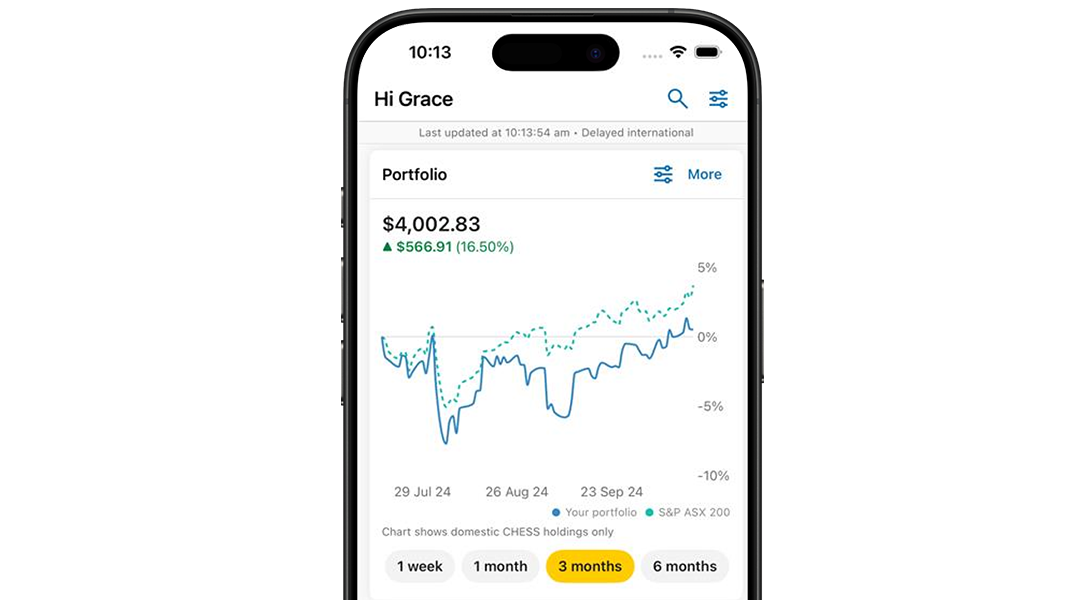
CommSec is ideal for beginners who want a structured learning environment. Alongside ASX and international market access, it offers live pricing, detailed charting and curated research.
Beginners can make simulated trades, helping them practice strategies while benefiting from tools that build confidence without overwhelming.
Pros:
- Provides extensive educational content and tools that help new investors learn.
- Offers access to ASX shares plus international markets, giving room to grow a diversified portfolio.
- Well-established, regulated platform with robust charting and live pricing tools.
Cons:
- Brokerage fees tend to be higher for smaller or casual trade compared with low-cost alternatives.
- The interface can feel overwhelming for absolute beginners due to the breadth of features.
- Minimum trade sizes (e.g. ASX share minimums) can be restrictive for some new investors.
SelfWealth
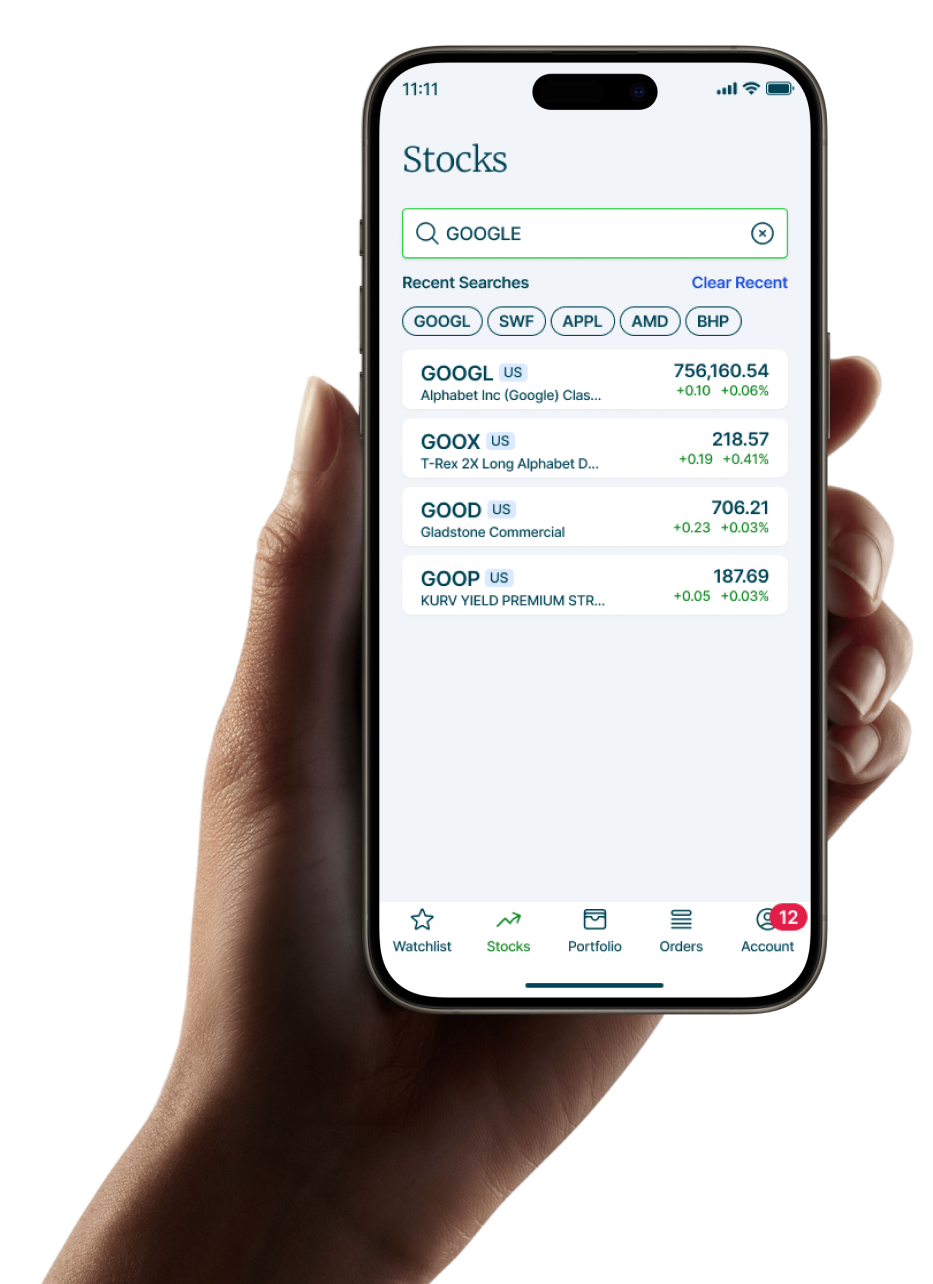
SelfWealth appeals to those who want simplicity and predictability. Its flat-fee model removes surprises on trade costs, while portfolio benchmarking lets users see how their investments compare to other Australians.
This straightforward approach is perfect for beginners focused on understanding the market without getting lost in technicalities.
Pros:
- Flat-fee brokerage makes costs predictable for ASX and selected international trades.
- CHESS sponsorship means shares are held in your name which many beginners value.
- Portfolio benchmarking lets users compare performance with peers.
Cons:
- Limited access to some overseas markets compared to platforms with broader global coverage.
- Does not currently offer advanced training tools like options or CFDs.
- Fewer interactive research or learning features than platforms focused on education.
Moomoo
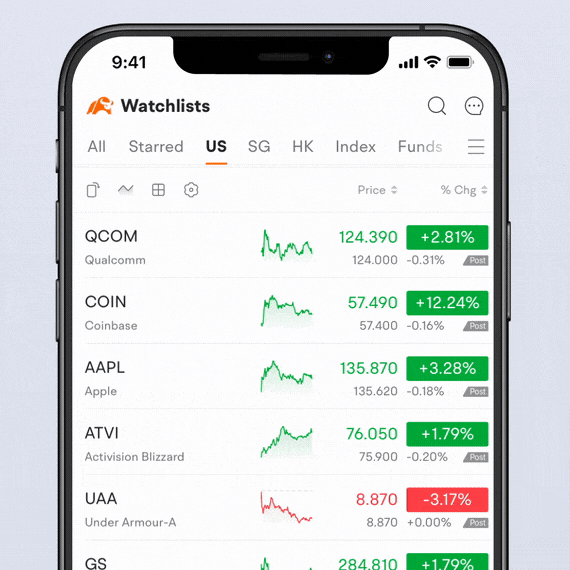
Moomoo is for beginners who enjoy learning through data. It combines intuitive navigation with interactive charts, pre-built watchlists and company insights.
Users can follow market news and earnings reports in-app, which makes researching stocks and making well-thought trades feel like a natural, integrated process.
Pros:
- Offers virtual accounts that let beginners practice trading without using real money.
- Competitive fee structures on ASX and global trades support cost-effective investment.
- Provides real-time data, interactive charts and integrated news to support informed decisions.
Cons:
- The richer data and larger feature set can feel complex for new users.
- Some international trading options require additional steps (like currency conversion).
- Lesser focus on simple guided tutorials compared to platforms built purely for beginners.
Superhero
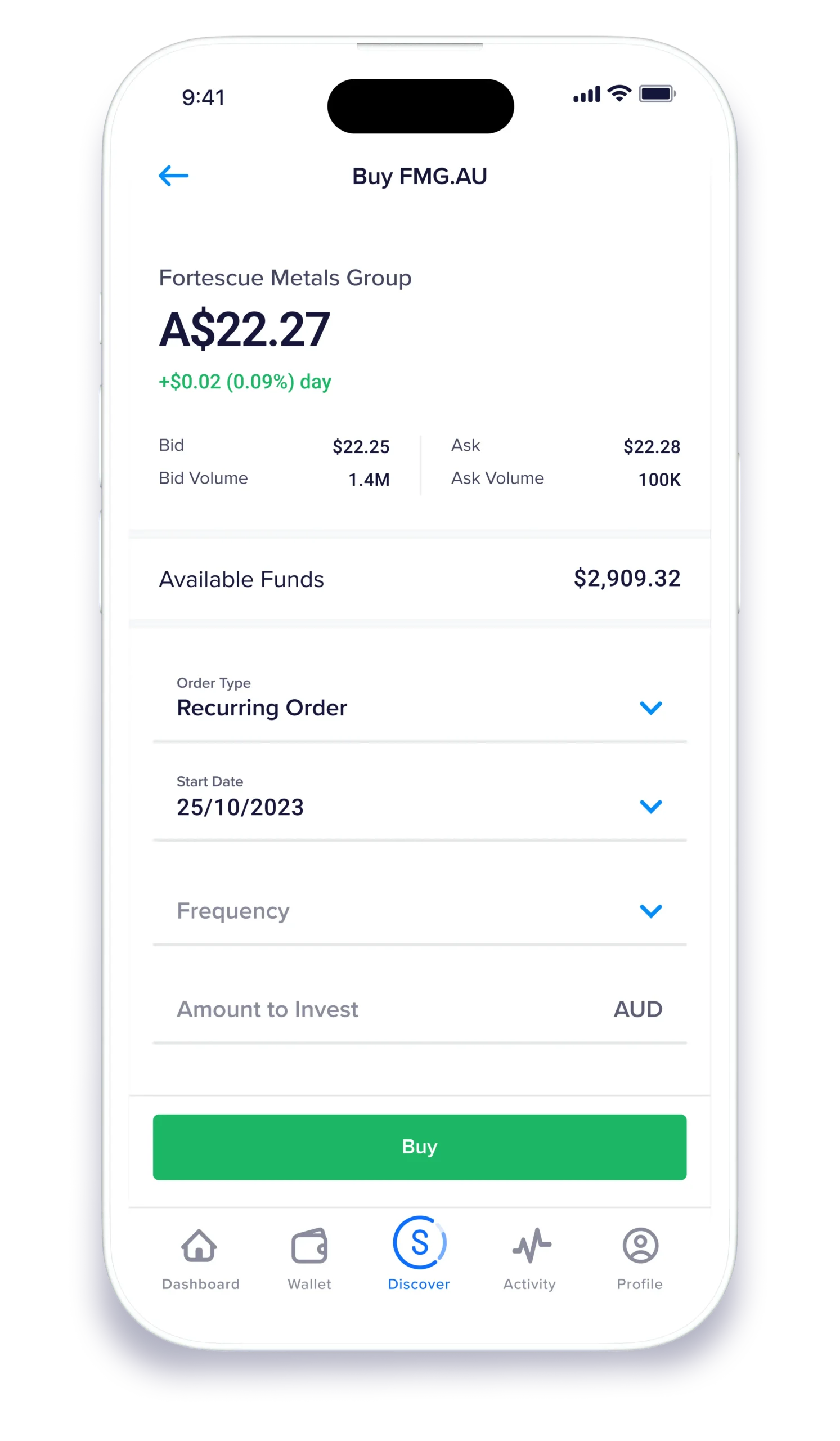
Superhero targets newcomers who want a fast, no-hassle start. With zero account fees, commission-free ETFs and a simple, mobile-friendly app, first-time investors can experiment safely.
Notifications, research tools and easy trade execution keep things straightforward while letting users build confidence in their investing skills.
Pros:
- Offers low or zero account fees with commission-free ETFs and simple trade execution.
- Mobile-focused, clean interface makes it easy to place basic ASX trades.
- Straightforward setup and quick access to Australian and US equities.
Cons:
- Lacks some deeper analytical tools that help with detailed stock research.
- International market access is more limited compared with multi-market brokers.
- No CHESS sponsorship means ownership is held in custodian form.
CMC Invest
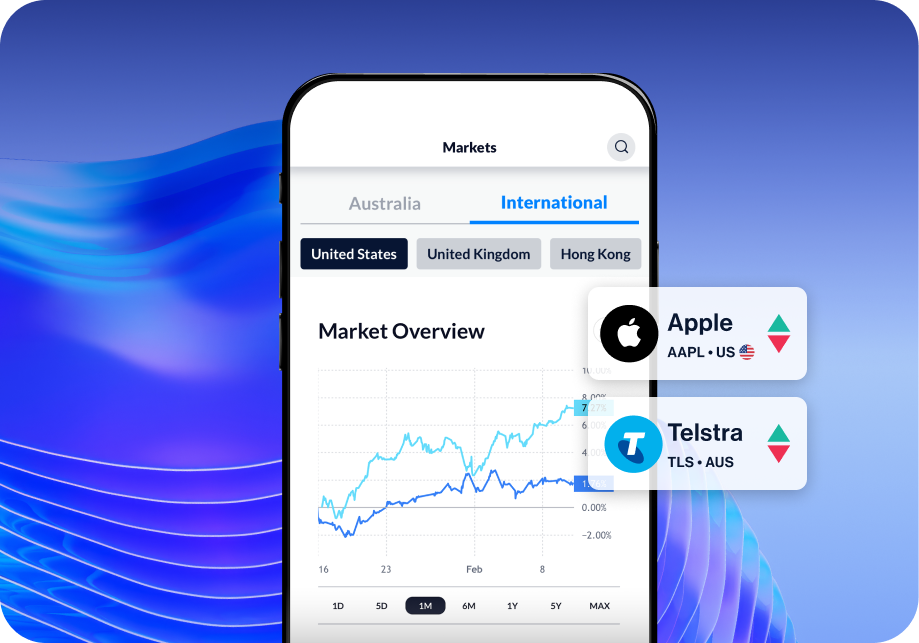
CMC Invest is for beginners who are looking for control without the clutter. The platform focuses on clear portfolio tracking, stock comparisons and simple trade execution.
Reporting and analytics are presented in plain language, helping investors make smart decisions while learning the ASX landscape without feeling lost in complex tools.
Pros:
- Widely recognised for low or no brokerage on selected ASX trades, making entry affordable.
- Provides tools and analytics that help beginners better understand their portfolio.
- Access to a broad range of markets and products as users evolve their investing goals.
Cons:
- Some advanced features and tools might be more than a novice needs at first.
- Interface and options may feel more suited to intermediate investors rather than beginners.
Frequently Asked Questions
How Much Money Do I Need To Start Trading on the ASX?
To buy shares on the ASX, the first purchase of a single company must meet the Minimum Marketable Parcel (MMP), which is usually about $500 worth of shares (excluding brokerage). Some brokers or apps may let you start with smaller amounts or ETFs, but the ASX rule applies to standard share purchases.
Do I Need To Pay Tax on ASX Shares?
Yes. In Australia, if you sell shares for a profit, you’re generally liable for capital gains tax (CGT) on the gain when you dispose of them.
Dividends you receive are typically taxable as part of your income, but you may be eligible for franking credits. For a plain-English rundown of how dividends and franking credits work, see our dividend guide. Tax rules vary by individual circumstances, so consult ATO guidance or a tax professional.
Can I Trade ASX Shares On My Phone?
Yes. Most modern ASX trading platforms and apps allow you to buy, sell and monitor shares directly from your smartphone.
These apps often include real-time market data, notifications, portfolio tracking and research tools, giving beginners flexibility to trade and follow their investments wherever they are.
Is Trading Online Safe?
Trading online is generally safe when you use licensed and regulated brokers. The ASX and Australian Securities and Investments Commission (ASIC) oversee trading platforms, while brokers must adhere to security and compliance standards. Beginners should also enable two-factor authentication, use strong passwords and make sure your devices are secure.
What Are The Risks Of ASX Stock Trading?
Investing in shares inherently carries risk, including the possibility of losing some or all of your invested capital. Share prices fluctuate due to company performance, market conditions and economic factors.
Beginners should diversify their portfolio, invest only what they can afford to lose and take the time to do your research before buying.
What Does It Mean For A Broker To Be CHESS-Sponsored?
CHESS sponsorship means your shares are held directly in your name on the ASX’s Clearing House Electronic Subregister System (CHESS).
You receive a unique Holder Identification Number (HIN) and maintain legal ownership of your shares, enabling easier transfers, dividend payments and access to corporate actions. Most reputable brokers will offer CHESS sponsorship.
How Many Aussies Invest in the ASX?
Approximately 34% of Australians hold shares according to a 2025 survey, with many others investing through managed funds, ETFs, or superannuation.
Participation varies by age and region, but interest in shares has grown thanks to online trading platforms opening up the market and making it more accessible, especially for beginners looking to start with modest investments.