

Adisyn Articles

AI1 Share Price & Investment Performance
Investment Summery
- Date of Investment Announcement 20th April 2026
- Entry Price $0.055
- Returns from Entry +0%
- High Point +0%
Company Milestones
- Low-temperature graphene layer verified (Jan 2026)
- Full-coverage graphene on 1cm coupon at fab-compatible temperature
- Lab-tested radar signature reduction to 1/100th
- Repeatability across hundreds of samples
- Scaling from coupon to full production wafer
- 30 dB radar signature reduction (end 2026)
- First tier-1 chipmaker engagement
- First commercial partnership or revenue
- Strategic acquisition or licensing deal
Why We Like Adisyn
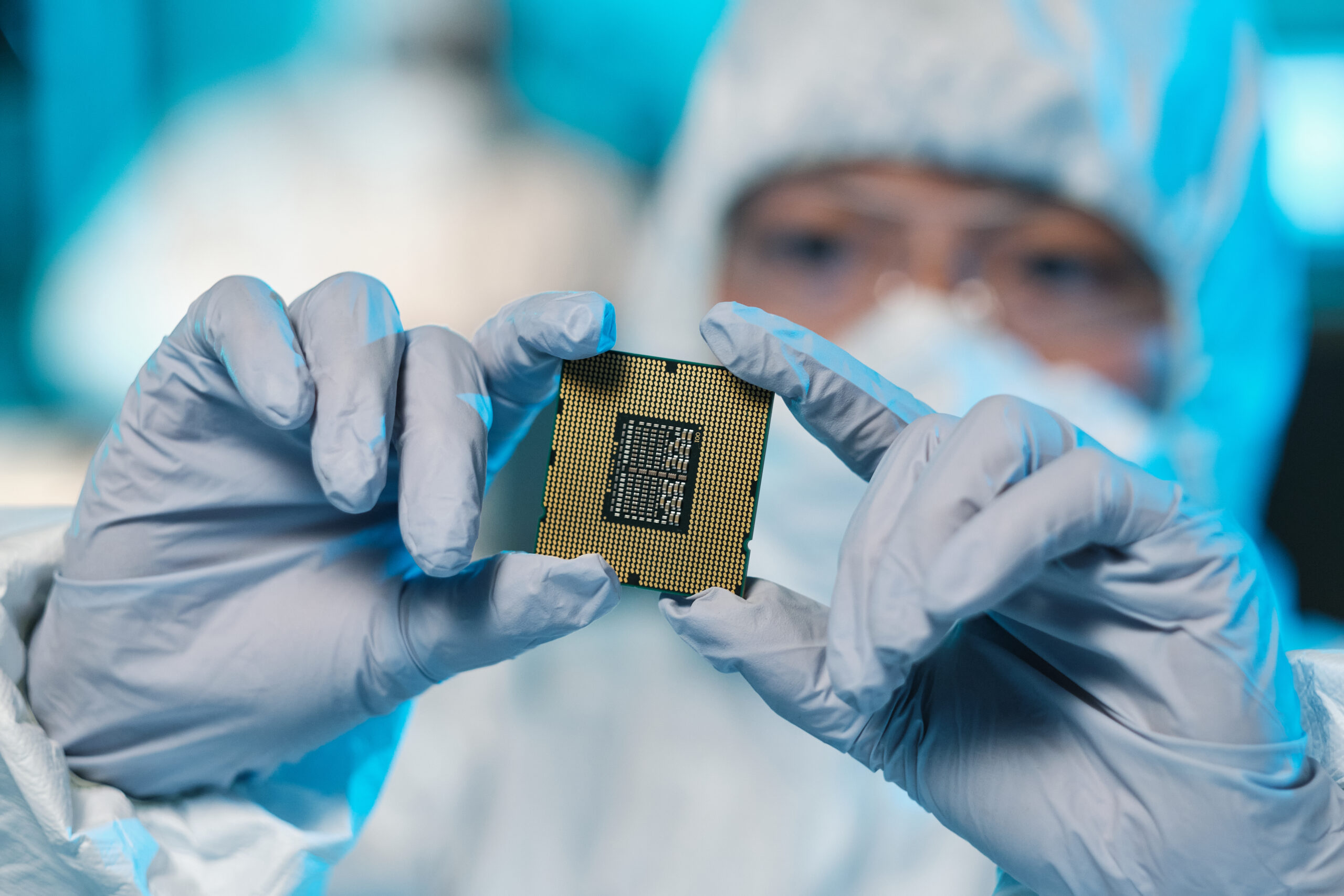
Adisyn is developing graphene materials for the next generation of semiconductors – the chip wiring the industry has spent a decade trying to replace. Graphene is the material every major chipmaker has been chasing.
Adisyn owns something the semiconductor industry has been trying to build for more than a decade – a way to grow graphene inside a real chip factory.
The chip industry is at a breaking point. Copper wires have been getting thinner with each new generation, and inside the most advanced chips they’re now so thin that resistance, heat and power loss are eating into performance. At the scale of an AI data centre, that inefficiency shows up in the power bill of an entire country. Graphene is the known answer. It conducts electricity more efficiently than copper, handles heat better, and keeps working at dimensions where copper physically breaks down.
The catch has always been temperature. Growing graphene normally takes around 1000 degrees Celsius, hot enough to melt any chip you’d want to put it on. Every major chipmaker has spent hundreds of millions of dollars trying to make it work inside a commercial fab. Adisyn’s wholly-owned subsidiary 2D Generation cracked it with a patented process built on different equipment to everyone else in the industry.
A second program, run with Tel Aviv University, applies the same graphene expertise to military drones. In lab testing, the coating has cut the radar return from a drone to one hundredth of its normal size. Combined, Adisyn is a single team chasing two of the biggest materials problems of the next decade.
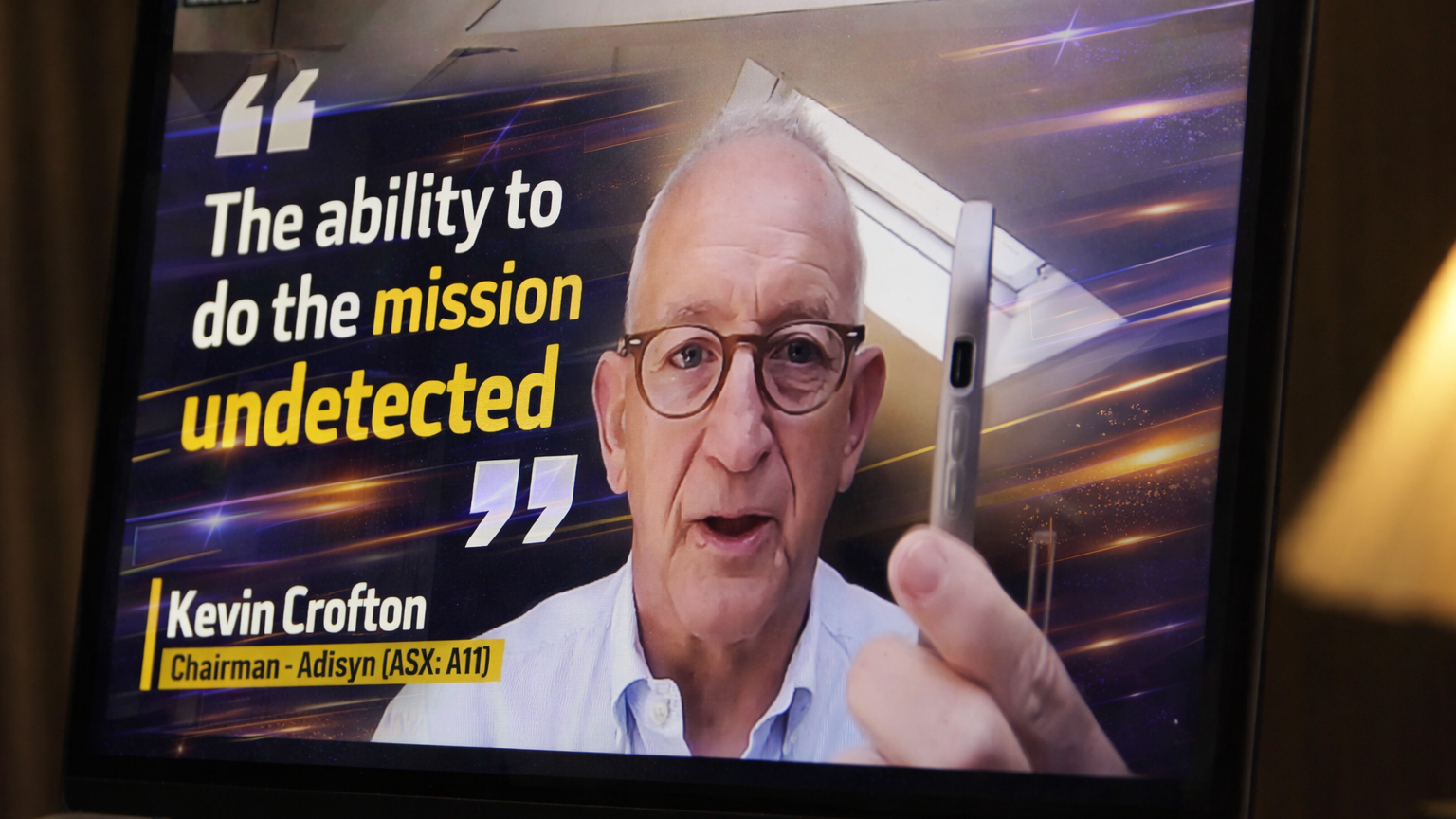
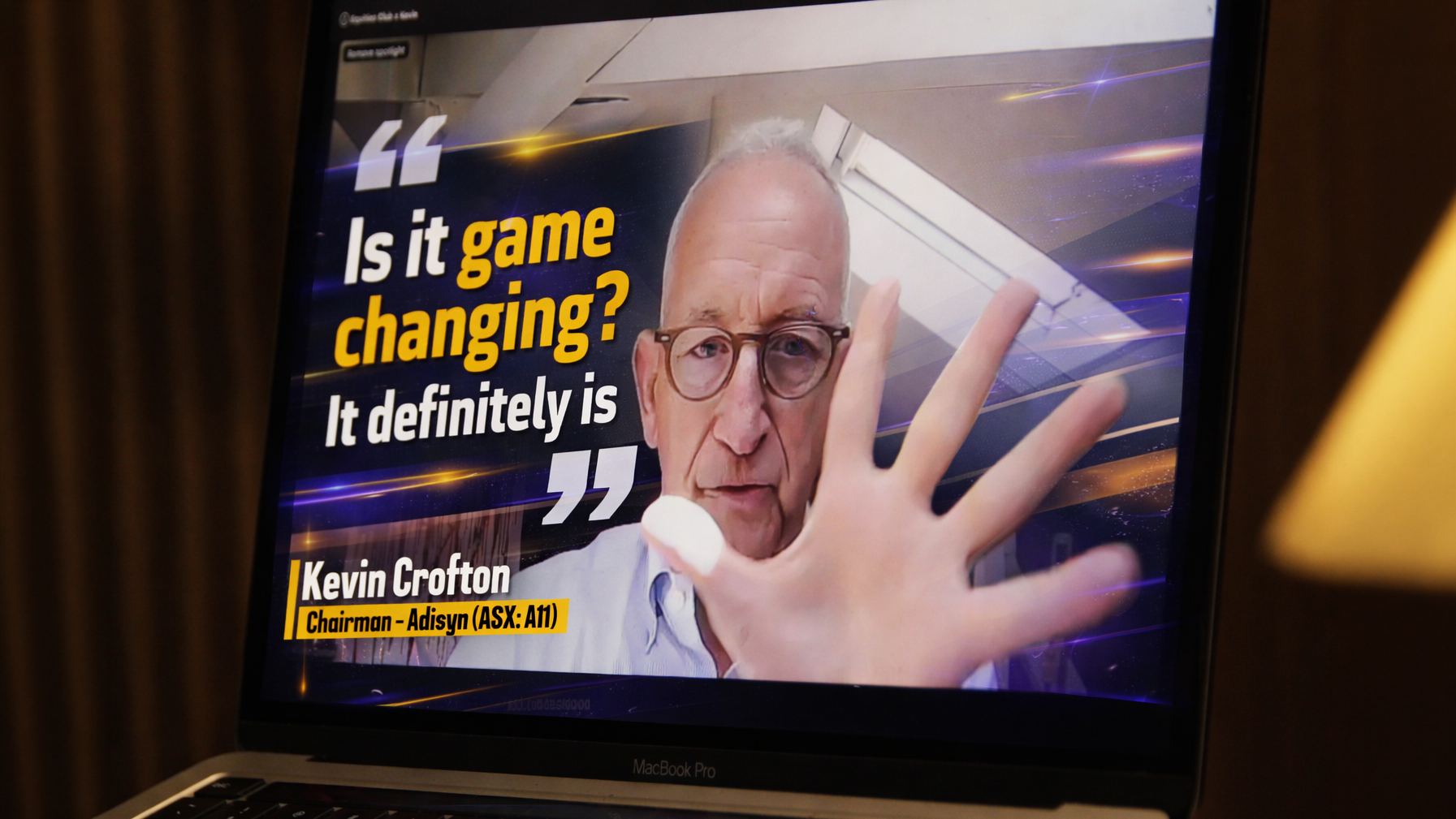
Managing director Arye Kohavi is a serial Israeli entrepreneur who built and sold Watergen – the Israeli company that built machines to pull drinking water straight out of the air. Chairman Kevin Crofton has spent 30 years running senior roles at Lam Research, KLA and SPTS Technologies.
Why Graphene?
Graphene is a single layer of carbon atoms arranged in a honeycomb pattern. It conducts electricity roughly 30 times better than copper, handles heat far more effectively, and keeps working at dimensions where copper physically breaks down.
Every major chipmaker has known it’s the material that extends the industry past copper’s limits.
Graphene demand comes from sectors that can’t swap it out: AI accelerators, high-performance computing, data centres, and every advanced chip built over the next 20 years. Demand is building. The bottleneck has always been making it inside a real fab.
Adisyn's Two Programs
Adisyn has two shots on goal, both using the same underlying graphene expertise.
The main game is semiconductors. Every advanced chip built today uses copper wires, called interconnects, to move electricity between billions of transistors. Those wires are now so thin they’re slowing chips down, heating them up, and wasting enormous amounts of electricity. Adisyn has a patented process that grows graphene on a chip at a temperature the chip can actually survive. That’s the problem TSMC, Intel, Samsung and every equipment giant in the industry has been stuck on for over a decade. Adisyn is the only company with a working answer.
The second program points the same material at military drones. A graphene-based coating, developed with Tel Aviv University, has cut the radar return from a drone to one hundredth of its size in lab testing. The target takes that to one thousandth — the point where a full-size attack drone looks to a radar screen like a butterfly.
Two industries, two markets worth hundreds of billions each, one small team running both.
The Key Points of Interest
- Patented low-temperature graphene process for chip interconnects
- Wholly-owned Israeli subsidiary running R&D
- Partnership with Tel Aviv University on radar-signature work
- 20dB radar signature reduction already demonstrated in lab
- Managing director Arye Kohavi is a serial entrepreneur who has built and sold tech companies
- Chairman Kevin Crofton brings 30 years of senior chip-industry leadership
AI1 in Summary
The chip industry has spent more than a decade trying to replace copper with graphene. The company that cracks it first sets the materials layer for every advanced chip built over the next 20 years.
Adisyn is the only ASX-listed company working on the problem, and the only public company anywhere we can find with a patented low-temperature process.
The drone program is the bonus. Same material, different market, and a partner in Tel Aviv University that sits at the centre of global radar physics.
Early stage, long runway, and a team that has built and sold technology businesses before.
Disclaimer: This blog post is for informational purposes only and should not be considered as financial advice. Always consult with a financial advisor before making any investment decisions.