
Back in April we sat down with Kevin Crofton, then chairman of Adisyn (ASX: AI1) and a guy who has spent 30 years selling equipment to the big chipmakers. He told us what those chipmakers say when he asks them what graphene grown on a chip below 500°C would mean to them.
“Many of these companies just say, well, it’s worth more than my company.”
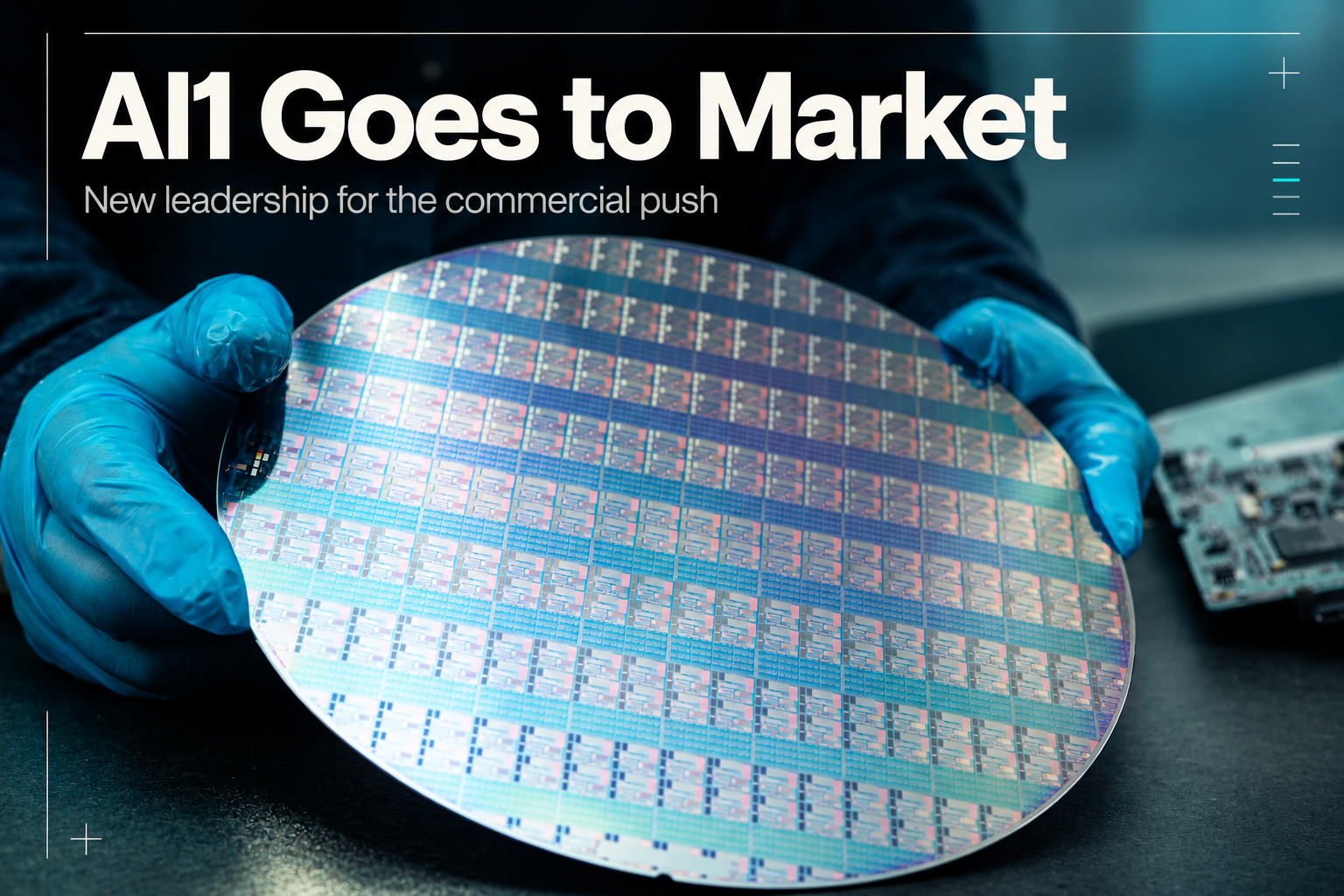
At the time Adisyn’s lab in Israel had grown graphene below 450°C on a square of copper about 1cm across. Since then it has got the temperature under 300°C and covered a full 200mm industrial wafer.
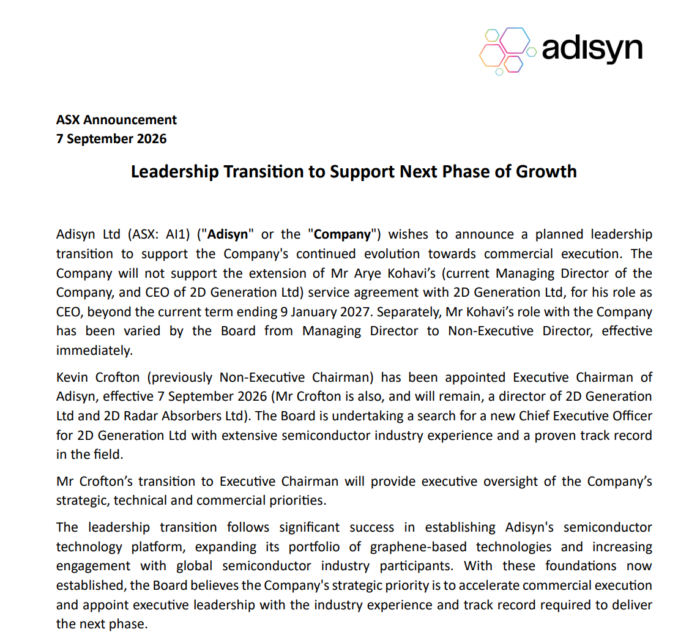
On Monday the company told the ASX that Crofton has stepped up to executive chairman to run the company while the board hires a chief executive from the chip industry who has commercialised technology before.
Arye Kohavi, who founded the lab and has been running Adisyn as managing director since February, steps back to non-executive director and stays on running the lab until January 9 next year.
Adisyn spent the past year proving the recipe works and now is prepping the ground for getting it inside a chip factory and being paid for it.
For anyone new to Adisyn, every chip in your phone, your car, data centres powering AI, your PS5 (to name but a few) is wired with copper. That copper gets thinner with every new generation of chip, and in the newest chips it’s now so thin it runs hot and leaks power.
Across a data centre full of AI chips, that leak adds up to a power bill big enough to run a small city.
Graphene is a sheet of carbon one atom thick. It carries electricity better than copper and keeps working at sizes where copper fails, which the chipmakers have known for a decade.
The problem was that graphene grows at around 1,000°C and anything past 450°C wrecks the chip. Adisyn’s patented recipe grows it below 300°C.
The industry sold about US$800 billion of chips last year and is heading for a trillion this year. Adisyn’s plan is to license the recipe to chip factories and collect a fee on every wafer they run it on.
The world makes more than 92 million 200mm wafers a year, so a small slice of that is a lot of fees for a company this size.
Why Adisyn (ASX: AI1) is Changing Leadership Now
Kohavi is a serial founder. He built Watergen, the Israeli company that pulls drinking water out of the air, and sold it. Then he started 2D Generation in 2020 and brought it onto the ASX when Adisyn bought it in January 2025, and this year his team went from a centimetre of copper to a dinner-plate wafer inside four months.
The board now wants someone who can walk into TSMC or Intel with that wafer and come out with a signed contract, and has done it before.
Google’s founders did the same thing in 2001 when they hired Eric Schmidt to run the company they’d built, and that one turned out all right.
Kohavi keeps his board seat and stays at the lab until January 9 next year, so the new chief executive learns the recipe from the person who built it.
Who Is Kevin Crofton, Adisyn’s New Executive Chairman
Crofton spent 30 years selling to the chipmakers. He started at Lam Research and KLA, which are two of the biggest chip equipment companies on the planet, and ran SPTS Technologies for 14 years.
SPTS is a British company he bought out with his management team. It makes the machines that put layers onto wafers and etch them off again, and Adisyn’s graphene grows in the same kind of machine. He sold it to Orbotech for US$370 million in 2014 and KLA later bought Orbotech for US$3.4 billion.
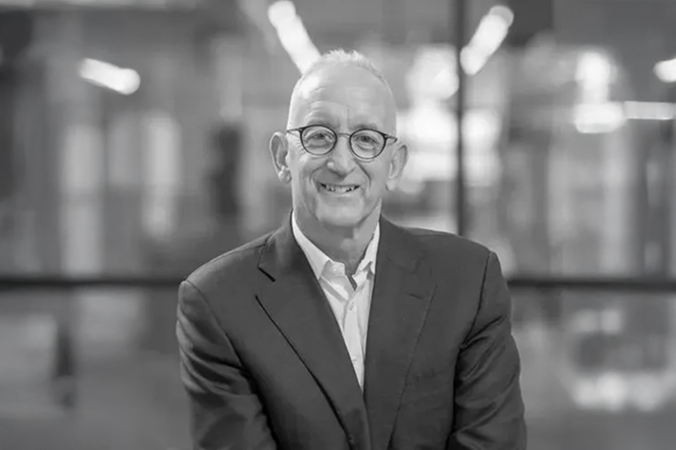
After that he ran Comet AG in Switzerland and chaired SEMI, the chip equipment industry’s own body.
In April he told us those companies had chased graphene themselves.
“Companies like Samsung and Intel and TSMC on the top level, and companies that I used to work for or used to run, we’ve spent hundreds of millions of US dollars trying to get graphene into a device. To our chagrin, we were never able to do that.”
The companies he ran were among those that spent hundreds of millions on graphene and never got it into a chip. He now runs the one which did.
The AI Chip Market and What Comes Next for Adisyn
Blackwell is Nvidia’s current AI chip, the one data centres buy to train and run models like ChatGPT. The chips ship in racks of 72 and one rack sells for around US$3 million.
Nvidia has been shipping about a thousand of them a week, and earlier this year Jensen Huang, the CEO of Nvidia, told investors he could see US$1 trillion of orders for Blackwell and its successor Rubin through 2027.
Deloitte counts fewer than 20 million AI chips among the 1.05 trillion chips sold last year, and expects them to bring in close to US$500 billion this year.
Adisyn has proved the recipe on 200mm wafers, the size behind the chips in cars and phones. AI chips come off 300mm wafers, so the lab is now chasing the 300mm result to get in front of the top-end lines at TSMC and Samsung.
Since June the company has been in talks with the big chipmakers and their factories about testing the graphene inside their own lines, and Monday’s announcement described the engagement as growing.
The chipmakers do their own testing before anything goes near a production line, and talks move at their pace.
The company’s target is a binding deal with a global chipmaker worth more than $1 million to Adisyn, and a chipmaker or equipment giant could also buy the process outright.
The final 100 million performance rights owed to the people who built the recipe are tied to the deal and expire in January 2028.
Adisyn also holds an exclusive worldwide licence on a second program with Tel Aviv University, where the same graphene makes drones harder to see on radar. It sits behind the chip work in the queue.
Our View on Adisyn (ASX: AI1)
When Crofton told us in April a chip executive had called this worth more than his company, we wrote it down and waited to see what the lab would do.
In June it grew the graphene below 300°C and UNSW confirmed it. In August it covered a full wafer and the Hebrew University confirmed it. Twice this year the company told us what it would do and then did it, which is rarer in small caps than it should be.
Our view is the science risk is behind this company and the time risk is in front of it. Chipmakers test slowly and Adisyn is pre-revenue, so the next 12 months are about the 300mm wafer and a name on a contract.
Kohavi built the recipe and stays to hand it over, and the person selling it needs to have sold into a fab before. Crofton has, for 30 years, and the CEO they’re hiring will have too.
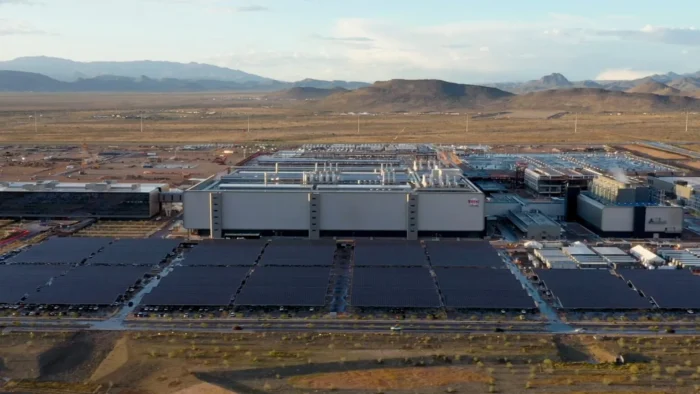
At a market value that wouldn’t fit out one corner of a TSMC plant, we think the odds are on our side. Regal, one of Australia’s biggest fund managers, Meitav, Israel’s biggest investment house, and Senvest, a US tech fund, are already on the register.
Adisyn is an Equities Club portfolio company and we wrote it up in April at 6.8c. It has roughly doubled since and we’re backing Kevin and AI1 into the next phase.
In April the chip executives told Crofton a recipe like this was worth more than their companies. Five months on, he’s the one taking it to them.
general advice warning, disclosure and confidentiality notice
The contents of this document are intended to provide general securities advice only and have been prepared without taking account of your objectives, financial situation or needs. Because of that you should, before taking any action to acquire or deal in, or follow a recommendation (if any) in respect of any of the financial products or information mentioned in this document, consulting your own investment advisor to consider whether that is appropriate having regard to your own objectives, financial situation and needs. If applicable, you should obtain the Product Disclosure Statement relating to the relevant financial product mentioned in this document (which contains full details of the terms and conditions of the relevant financial product) and consider it before making any decision about whether to acquire the financial product. Whilst the Equities Club Pty Ltd (”Equities Club”) believes information contained in this document is based on information which is believed to be reliable, its accuracy and completeness are not guaranteed and no warranty of accuracy or reliability is given or implied and no responsibility for any loss or damage arising in any way for any representation, act or omission is accepted by Equities Club or any officer, agent or employee of Equities Club or any related company.
Neither Equities Club, nor any of its directors, authorised representatives, employees, or agents, makes any representation or warranty as to the reliability, accuracy, or completeness, of this document or any advice. Nor do they accept any liability or responsibility arising in any way (including negligence) for errors in, or omissions from, this document or advice.
Disclosure
The directors, authorised representatives, employees and associated persons of Equities Club may have an interest in the financial products discussed in this document and they may earn brokerage, commissions, fees and advantages, pecuniary or otherwise, in connection with the making of a recommendation or dealing by a client in such financial products. Equities Club owns 900,000 performance rights at the time of publishing this article. Equities Club has been engaged by AI1 at the time of writing.
Confidentiality notice
The information contained in and accompanying this communication is strictly confidential and intended solely for the use of the intended recipient/s. The copyright in this communication belongs to Equities Club. If you are not the intended recipient of this communication please delete and destroy all copies immediately.
Equities Club Ltd (CAR No. 001308139) is a corporate authorised representative of ShareX Pty Ltd, Australian Financial Services License (AFSL) No 519872.