



POW Share Price & Investment Performance
Investment Summary
- Date of Investment Announcement 25th August 2026
- Entry Price $0.20
- Returns from Entry 0%
- High Point 0%
Company Milestones
- ASX Listing Complete
- Surface Sampling and Geophysics Begun
- Malbec Central Drill Permit Granted
- Roll-Front Drilling Begun (5,000m)
- First Assay Results
- Hidden Bay Drill Targets Defined
- Maiden JORC Resource
Why We Like Powerhaus Uranium
Argentina has mined uranium from seven small historic operations and runs three reactors today, but nobody has run modern exploration tools over its sandstone basins. The IAEA has published a cross-section putting Chubut’s geology side by side with the Kazakh basins that feed 40% of the world’s uranium, and roll-front mineralisation has already been exposed on the same trend just north of Powerhaus ground.
The team was following up an airborne anomaly from the 1970s when they walked onto a riverbed and found yellow uranium mineral about 30 centimetres down. Sampling has since run as high as 771 parts per million U3O8 and shallow trenches carry it to at least two metres. The first hole ever drilled into the system goes in early October.
Why Uranium?
The world has decided it wants nuclear power again. China waved through eight new reactors worth about US$25 billion in July, the US wants to quadruple its fleet by 2050, India is chasing 100 gigawatts by 2047 from less than nine today, and Germany, having switched off its last reactors in 2023, now buys nuclear power from France to keep the lights on.
Big Tech has joined in. Microsoft is paying to restart Three Mile Island, and together with Amazon, Meta and Google has signed 13 nuclear deals for close to 10 gigawatts since 2024.
The mines stayed still while the reactors multiplied. The World Nuclear Association has demand reaching around 390 million pounds a year by 2040 against roughly 132 million pounds dug up in 2024. The term price sits at US$97 a pound, its highest since 2008, utilities have only locked in 48% of their future needs, and from 2028 Russian uranium is banned from the US.
Powerhaus Uranium's Malbec Project
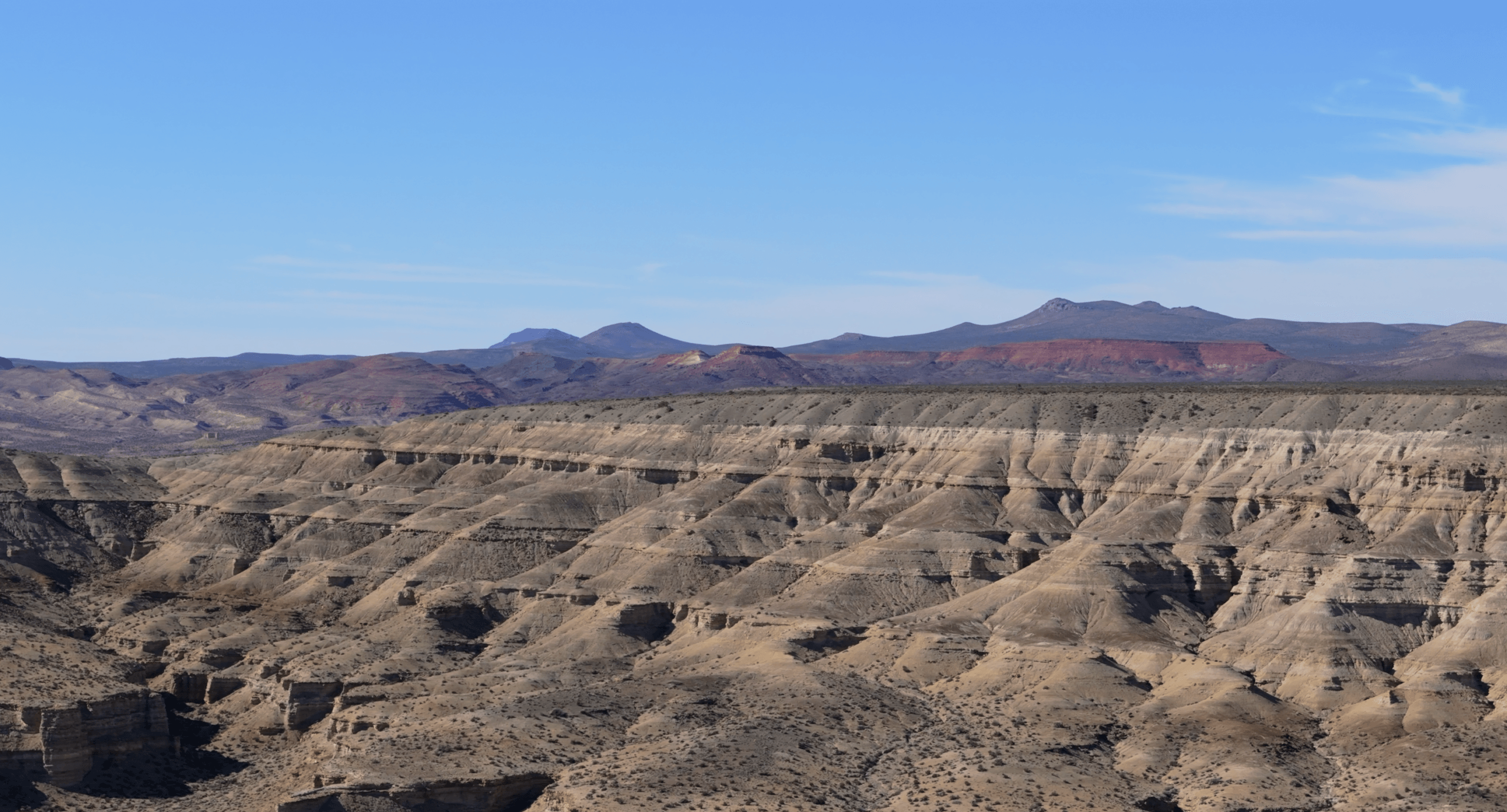
Malbec covers around 2,000 square kilometres of southern Chubut, the same style of sandstone Kazakhstan mines for US$18 a pound to supply 40% of the world’s uranium. Groundwater carries dissolved uranium through the sand until the chemistry flips, and at that boundary it drops out and stacks up in a long curved band called a roll front.
Powerhaus expects the uranium from under 50 metres down to around 250, the shallow soft ground that in-situ recovery runs best in. Chubut bans open pits and cyanide, and ISR uses neither.
Surface work starts straight after listing, with 20 to 30 holes going into the roll-front targets from early October once the permit lands. Hidden Bay in the Athabasca Basin sits 20 kilometres from Rabbit Lake on the same fault, and a 2024 hole has already cut uranium in the style of ground that hosts the basin’s biggest deposits.
The Key Points of Interest
- Uranium at surface, with rock chips up to 3,183ppm
- The team that sold Husab for $2.2 billion
- Cash covers more than half the $17 million market cap
- 2,000 square kilometres of Kazakh-style roll fronts in Argentina
- 5,000m of drilling from October, assays before Christmas
POW in Summary
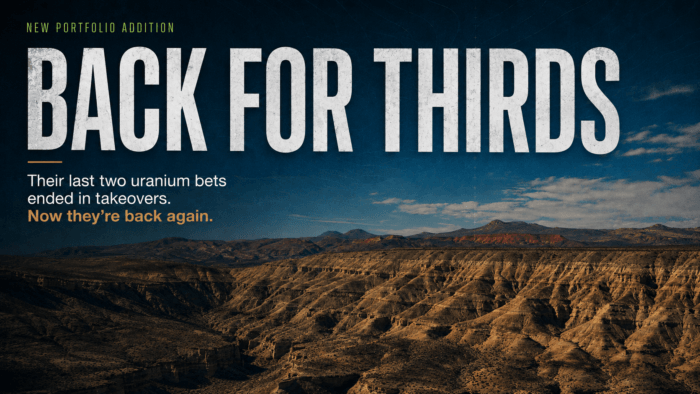
Powerhaus listed with uranium at surface and a team that has sold two uranium companies before. The drills go in from October into the same style of roll front Kazakhstan has mined for decades at the lowest cost on earth. The job now is finding out how far it runs under Malbec.
Disclaimer: This blog post is for informational purposes only and should not be considered as financial advice. Always consult with a financial advisor before making any investment decisions.